Yes, Coates Point is in our regular Toms River service area, a short drive east of our office. Leak tracing and repair, flashing work and siding replacement make up most of our jobs there. If water is coming in right now, call (732) 419-1462. We answer 24/7 and send someone as fast as conditions allow.
Two bodies of water, two directions of wind
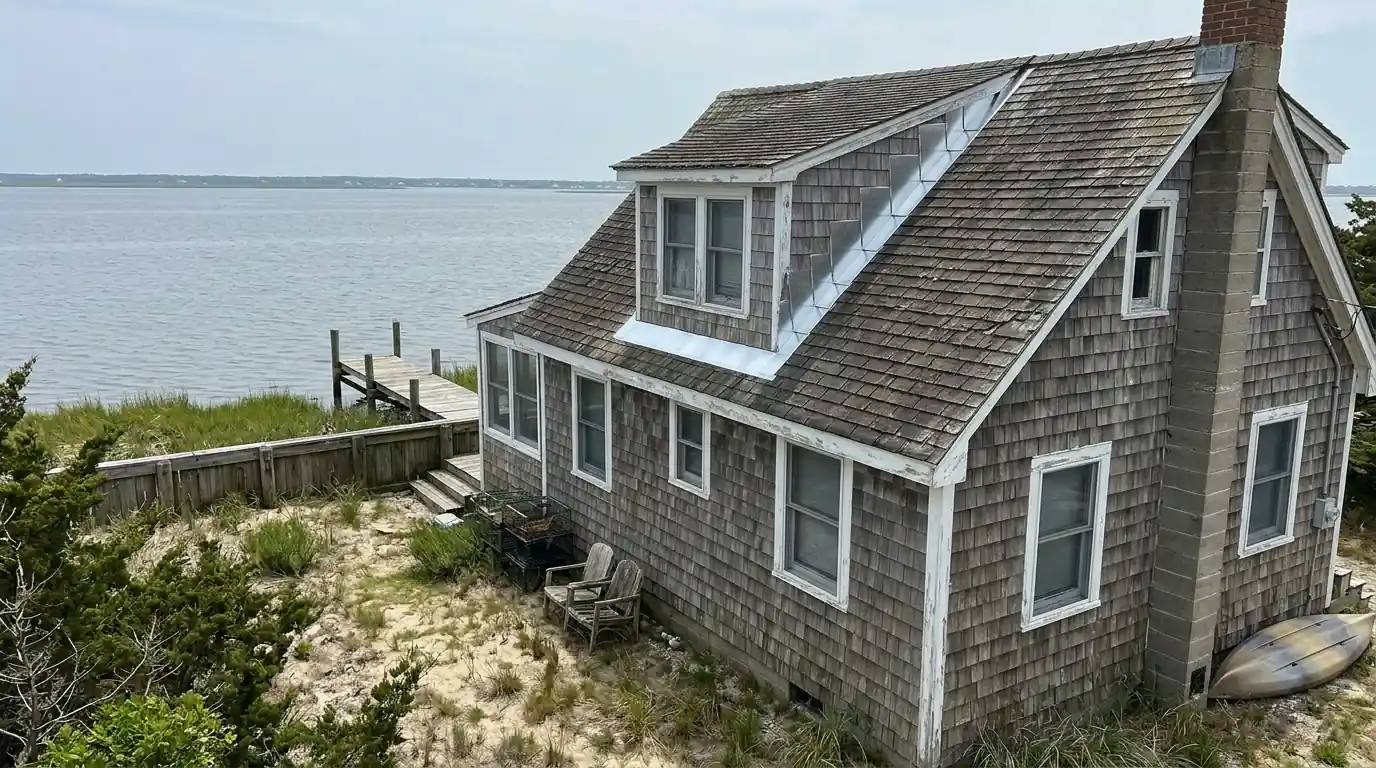
Coates Point is the stretch of shoreline near the mouth of the Toms River, just east of Gilford Park, where the river widens into Barnegat Bay. Homes here can catch a south wind coming up the river and a northeast wind straight off the bay, sometimes in the same storm.
That matters because most roofs and walls are built to shed rain falling down, not rain driven sideways. On Coates Point houses, we find water entering at the edges: where a roof meets a wall, under window trim, through a siding joint on the windward side, or at a chimney that faces the bay.
Where a Coates Point leak usually starts, and how we fix it
When the stain on your ceiling only appears during wind, the source is often somewhere you wouldn't expect. Here's how we sort it out.
Ceiling near an outside wall
Usually failed step or kick-out flashing where a lower roof meets the siding. We open the siding, install new step and kick-out flashing, and close the wall back up so water runs onto the shingles instead of into it.
Around a window, after storms only
Often missing head flashing or dried sealant behind the trim. We remove the trim, flash the window opening properly, and recap it in PVC or aluminum so spray can't find the gap again.
Middle of a room, below a vent
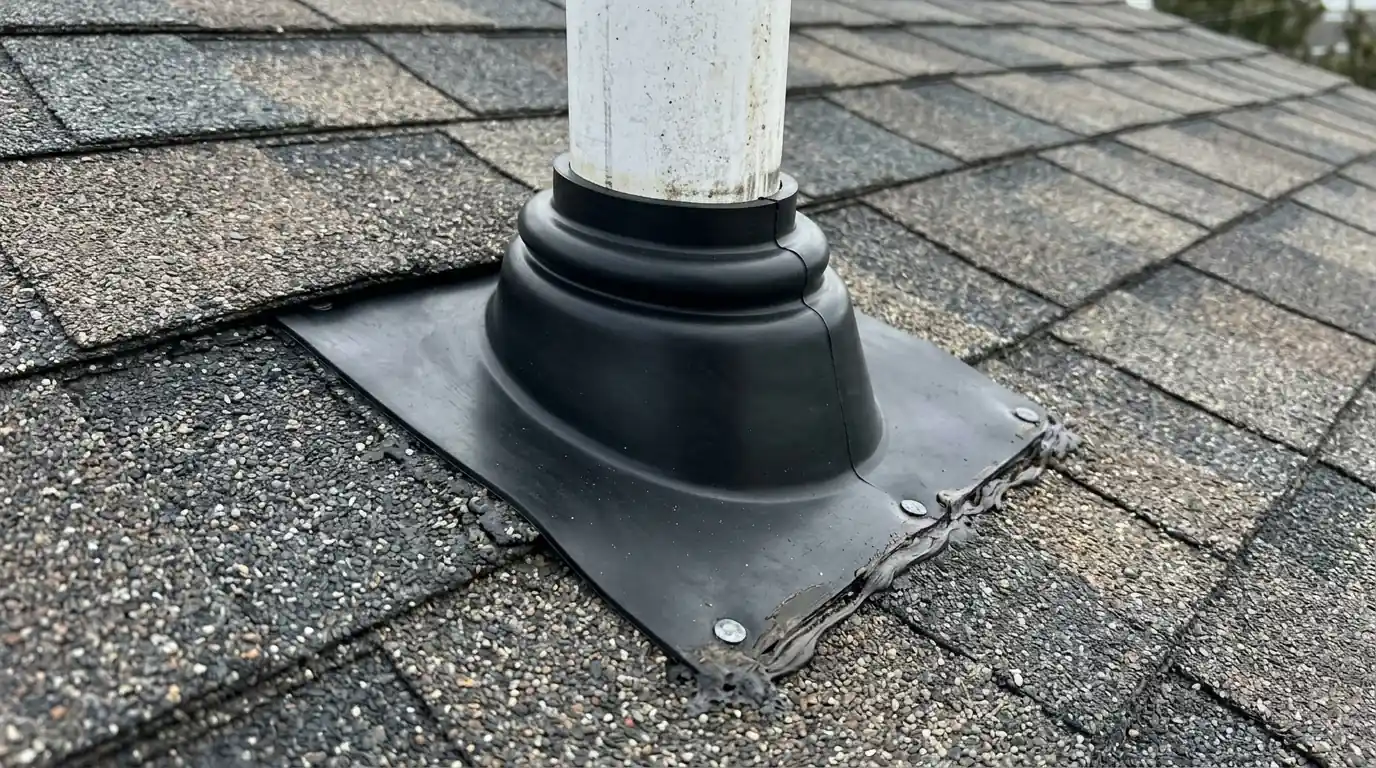
A cracked rubber pipe boot or a loose vent cap is the usual cause. We replace the boot or cap and reseal the shingles around it, which is often a quick fix.
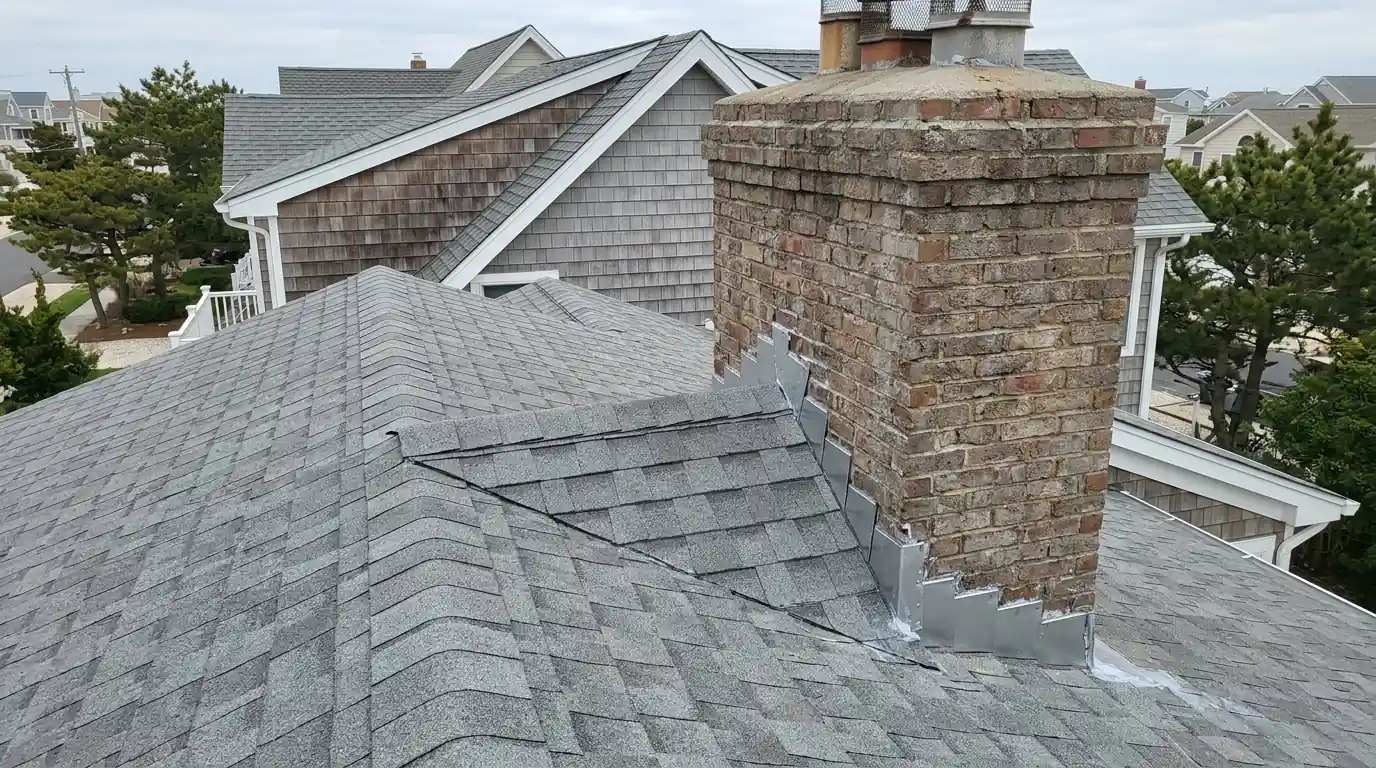
Next to the chimney
Worn counter flashing or a missing cricket behind a wide chimney lets water pool and slip in. We rebuild the step and counter flashing and add a cricket where the chimney needs one.
How we trace a leak that only shows up in wind
Guessing wastes your money. Our leak repair work in Coates Point follows the same method every time.
Map the stain
We measure where the stain sits inside and transfer that to the roof outside. We also ask which storms caused it, since wind direction narrows the search.
15 minutesCheck the attic
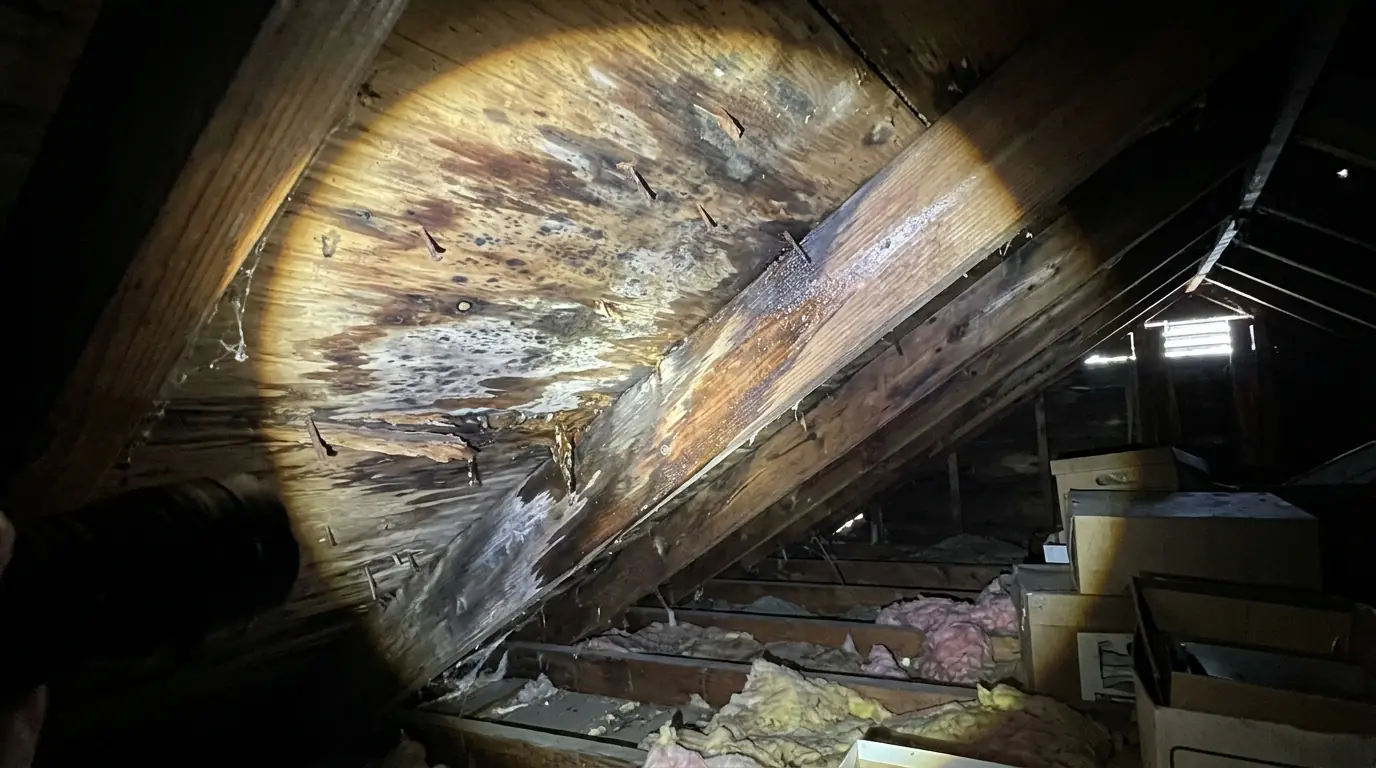
In the attic we follow water trails on rafters and sheathing back toward the source. Water often travels several feet before dripping, so the stain alone can mislead.
20 to 30 minutesWater test the suspect spot
With one person inside watching, we run a hose on one section at a time, starting low and working up, until the drip appears. That pins the leak to a single detail.
30 to 60 minutesRepair and retest
We fix the flashing, boot or siding joint we found, then run the hose again to confirm the leak has stopped before we pack up.
1 to 4 hours
Siding that keeps the water out
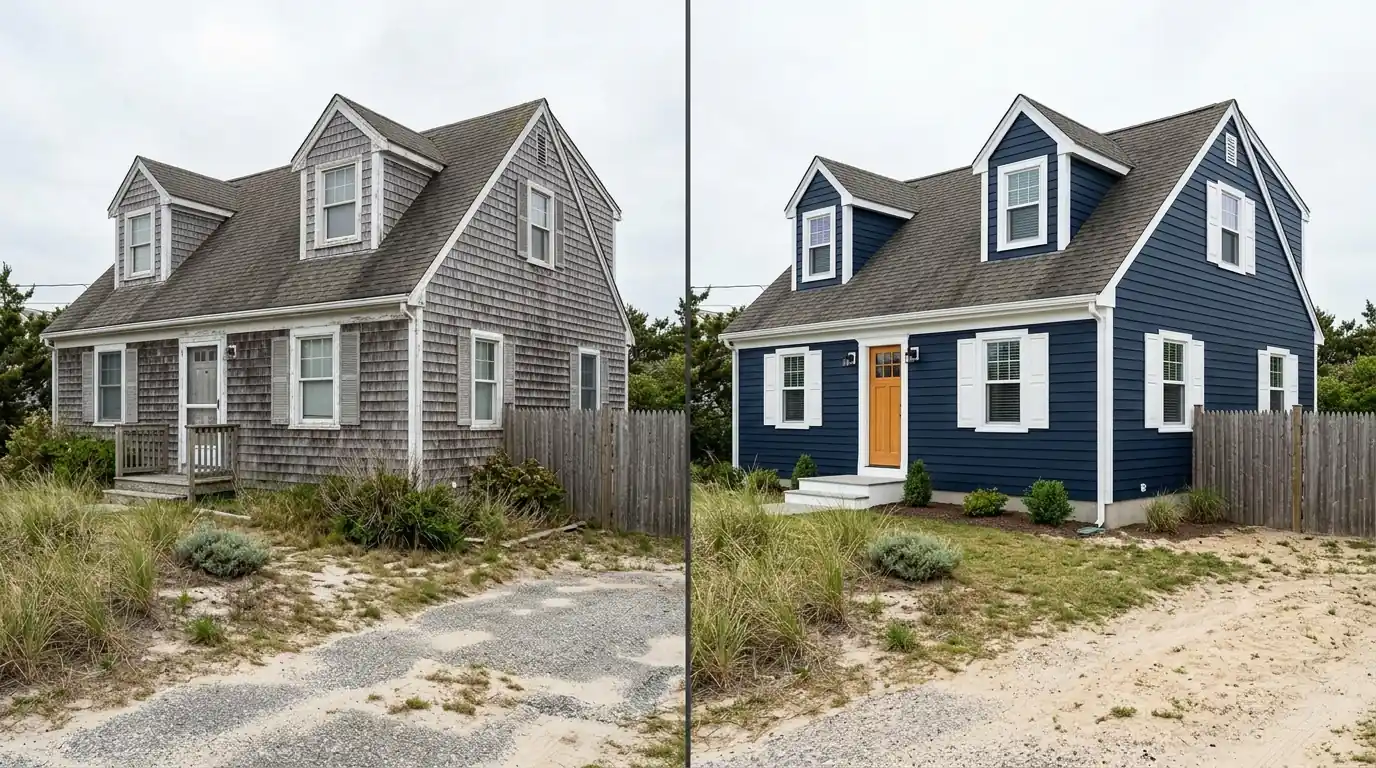
Sometimes the siding itself is the problem. Older panels on Coates Point houses may have been installed without house wrap or proper flashing at windows and doors, so wind-driven rain gets behind them and soaks the sheathing. When that's widespread, a full siding replacement with new wrap, flashing tape and corrosion-resistant fasteners is the lasting answer.
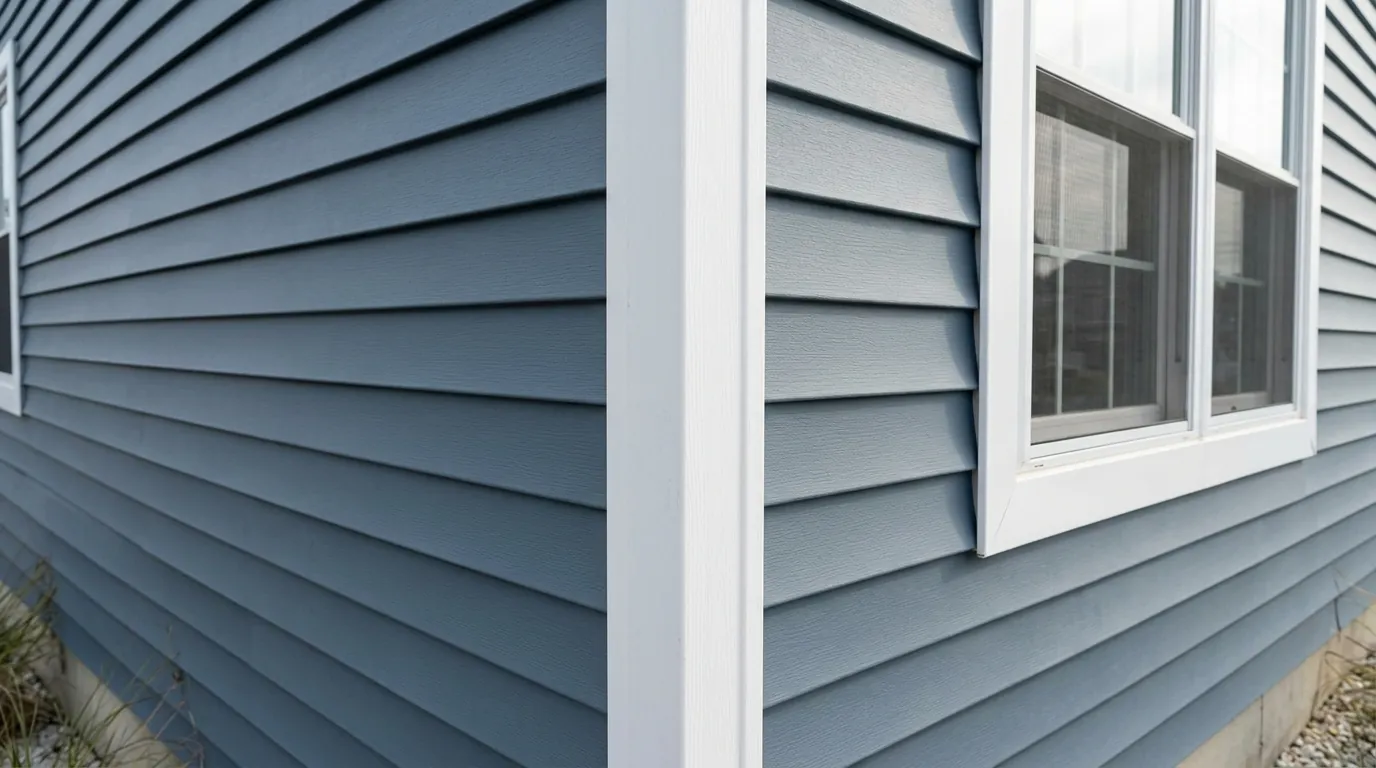
For owners who want a crisper look that handles salt, we install fiber cement or insulated vinyl and finish corners and window trim in PVC. Every job starts by checking the sheathing at the bottom of the walls. Houses up the river in Gilford Park deal with many of the same wind-driven leaks.