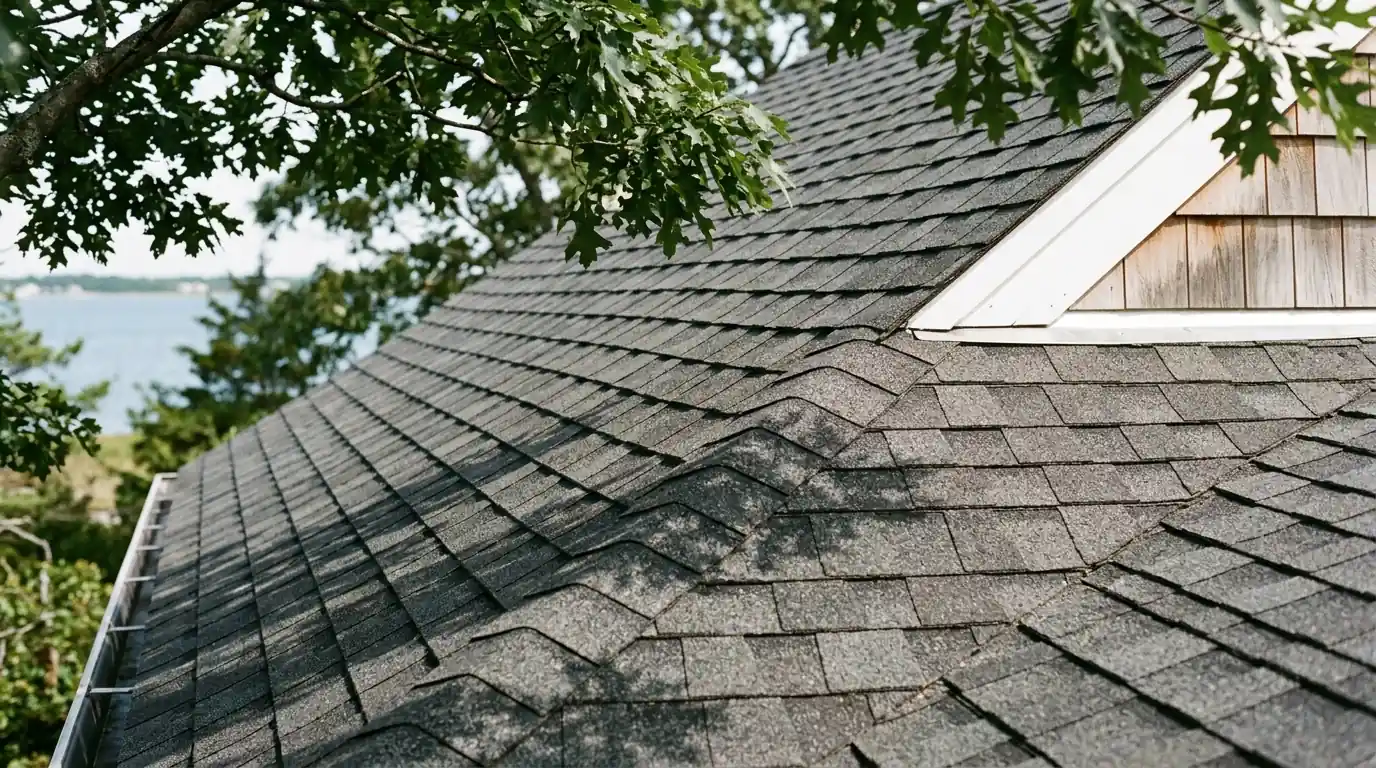
For most Toms River homes, an architectural (dimensional) asphalt shingle with algae-resistant granules and a high-wind nailing pattern is the best value. Three-tab shingles cost less up front but are thinner and lift more easily in nor'easters. Expect a typical shingle roof to last roughly 20 to 30 years here, depending on ventilation, exposure and how well it was installed.
Three-tab, architectural or impact-rated: how the grades compare
Shingle lines differ in thickness, wind resistance and look. This is how the three main grades stack up on a typical Jersey Shore house.
| Shingle grade | What it's like | Where it fits best |
|---|---|---|
| Three-tab | Single flat layer with evenly spaced cutouts, lightest weight, lowest wind class in most lines | Sheds, detached garages, budget repairs blending into an existing three-tab roof |
| Architectural (dimensional) | Two laminated layers that cast shadow lines, thicker, rated for higher wind with proper nailing | Most ranches, capes, colonials and split-levels around Toms River |
| Impact-resistant (Class 4) | Rubberized asphalt or reinforced mat that resists bruising from hail and flying debris | Exposed bay and ocean lots, homes that take repeated storm damage |
| Designer or luxury laminate | Extra-thick multi-layer shingles that imitate slate or shake profiles | Larger colonials and custom homes wanting a heavier, high-end look |
Details that separate a 15-year shingle roof from a 30-year one
Two roofs can use the same box of shingles and age very differently. These are the parts of the system we pay closest attention to.
Nailing zone and count
Every product line prints a nailing strip. Nails driven above it miss the overlapping layer and let tabs peel in the wind. We use six nails per shingle on exposed shore homes instead of the minimum four.
Starter strip with sealant
A dedicated starter course puts a factory sealant line right at the eaves and rakes. Cutting old shingles upside down as a starter leaves the first course loose, which is where wind gets its grip.
Algae-resistant granules
Copper-infused granules slow the black streaks of Gloeocapsa magma that spread on humid north-facing slopes. Lines from GAF, Owens Corning, CertainTeed and Atlas all offer this as a standard or option.
Matched hip and ridge caps
Purpose-made ridge caps are thicker and pre-bent, so they don't crack in cold weather the way cut-up three-tabs often do. They also keep the color consistent along the peak.
Hand-sealing in cold months
Sealant strips need sun and warmth to activate. When we install from November through March we add roofing cement under tabs along the rakes and ridge so the first winter storm can't lift them.
Balanced attic airflow
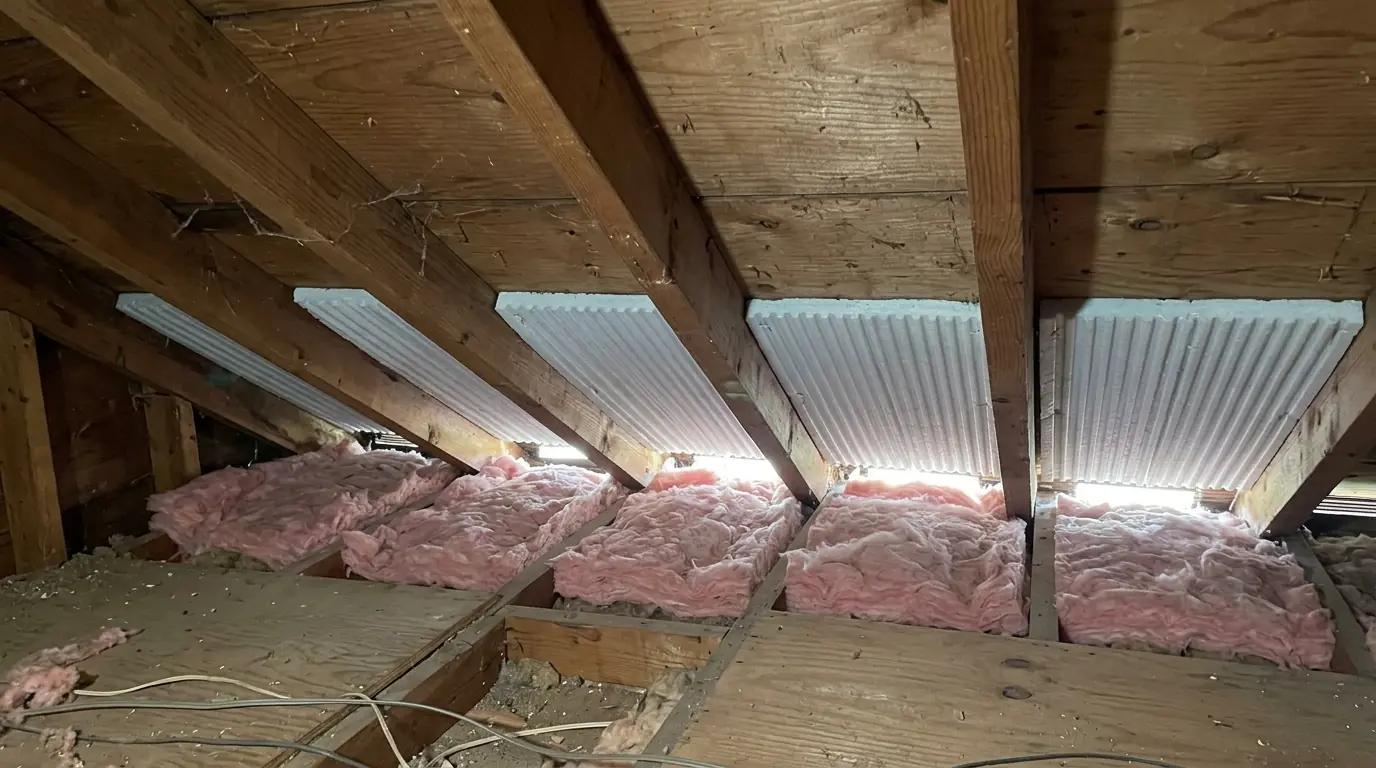
Heat trapped in a closed attic cooks asphalt from below and makes shingles brittle years early. Intake and exhaust need to be roughly equal for the shingles to reach their expected life.
How we help you choose a shingle and get it on the roof
Picking a shingle is mostly about color and grade. We make that part easy, then handle the install details.
Look at your exposure
We note which slopes face the bay or ocean wind, how much shade the trees throw and whether the attic vents properly. That tells us which grade and features are worth paying for on your house.
First visit, 45 minutesCompare full-size samples outdoors
Color swatches look different on a screen. We bring real shingles so you can hold them against your siding and trim in daylight, ideally on both the sunny and shaded sides of the house.
Same visit or a follow-upLock in the components
Starter, underlayment, ridge cap and ventilation get chosen from the same product family so the system works together and qualifies for the manufacturer's extended coverage if you want it.
1 to 3 daysInstall in the right order
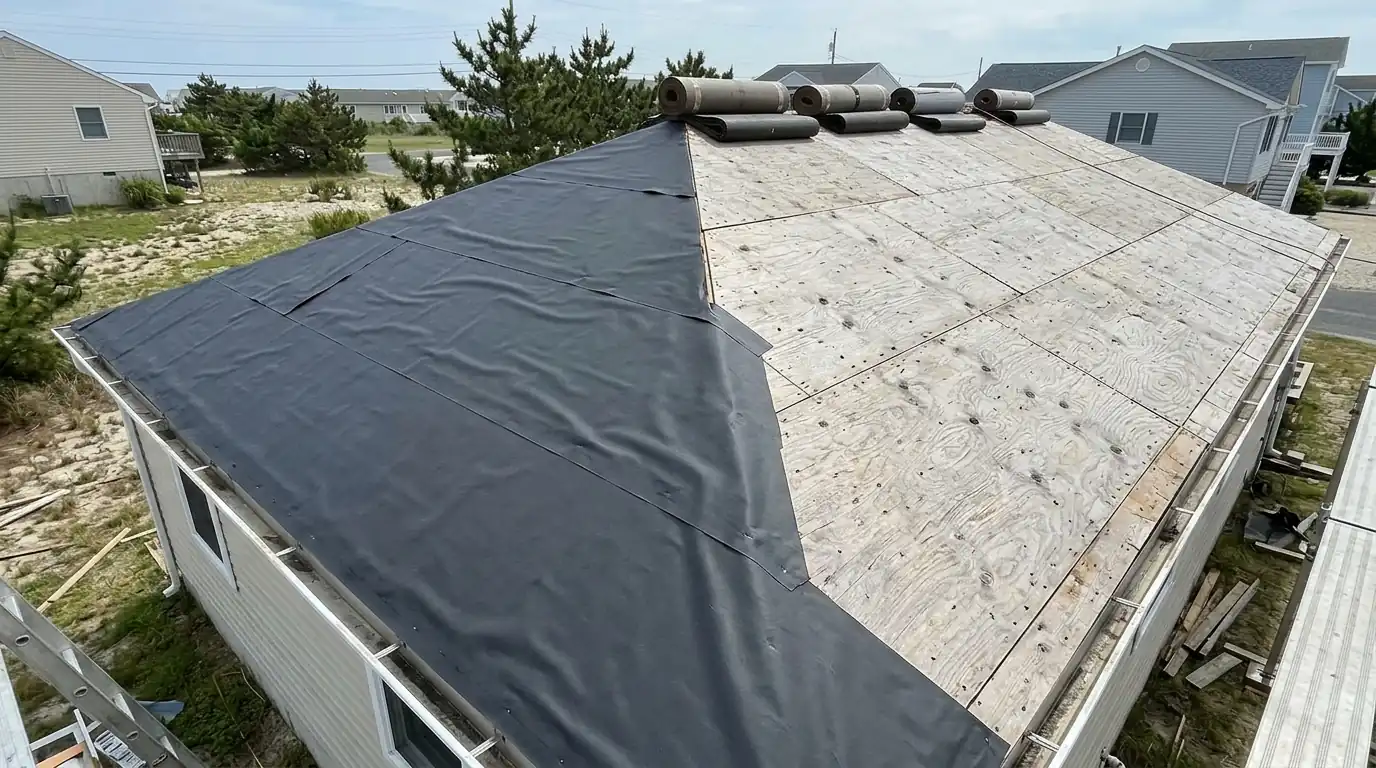
Drip edge at the eaves, ice and water barrier, underlayment, drip edge on the rakes, starter, then field shingles laid with offsets set by the manufacturer so seams never line up.
1 to 2 days on siteRegister and hand over paperwork
We give you the product name, color and batch number for your records and explain how to register the shingles with the manufacturer, which many extended programs require.
After completion
What asphalt shingles cost per roof in Ocean County
Prices below are for a full tear-off and new shingle roof in 2026, based on a typical 1,800 to 2,200 square foot house footprint.
| Work | Typical range | What moves the number |
|---|---|---|
| Three-tab shingle roof | $8,960 to $14,320 | Limited availability in some colors, simpler roofs only |
| Architectural shingle roof | $11,480 to $21,370 | Pitch, layers to remove, number of valleys and penetrations |
| Impact-resistant Class 4 roof | $14,750 to $26,940 | Product line and how much heavier the bundles are to stage |
| Designer laminate shingle roof | $17,860 to $33,210 | Shingle weight, color line and complexity of hips and dormers |
Every roof is priced after we measure it, so treat these as typical ranges and not a quote.
Choosing a shingle color that works at the shore
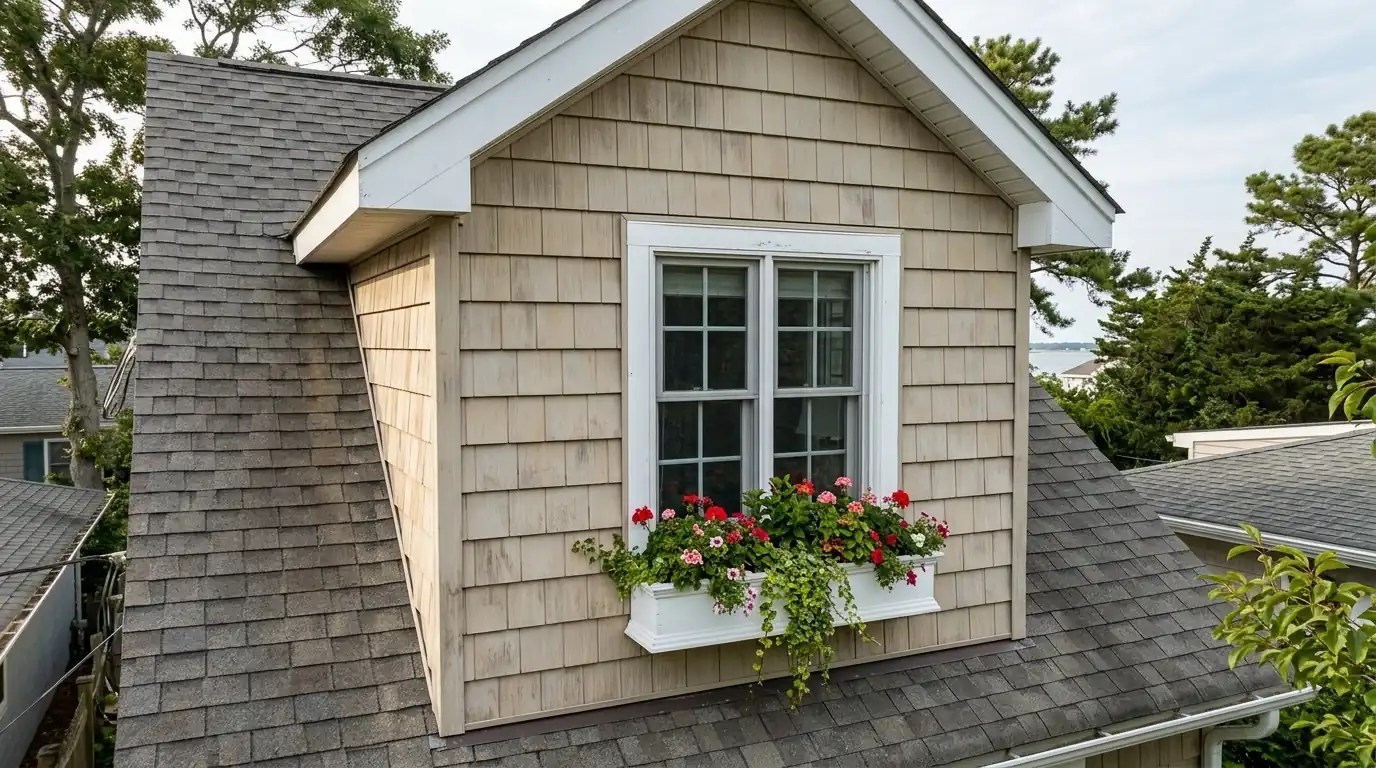
Color affects more than curb appeal. Darker shingles absorb more heat, which matters on a south-facing slope over a bedroom, and they show salt haze and pollen less than very light shades. Lighter grays and weathered woods reflect more sun and hide the occasional granule loss, which is why they're so common on bay-front capes.
We usually suggest picking from your siding and trim outward. White or light vinyl siding pairs well with charcoal, slate gray or a blended driftwood. Tan and cream houses tend to look settled under brown or weathered blends. Blue and sage siding often look best with a cooler gray. Some 55+ communities restrict colors, so check your HOA rules first, or see our 55+ community roofing page for how approvals usually work.
If you'd like a direct comparison of shingles with metal and other coastal options, our guide to roofing near salt water covers what holds up best close to the beach.
Questions worth asking about any shingle bid you get
Whoever installs your roof, these answers tell you a lot about the job you'll get.
- Which exact shingle line and color is included, not just the brand name
- Will old shingles be torn off, and how many layers are there now
- How many nails per shingle, and will the high-wind pattern be used
- Is a dedicated starter strip installed at both the eaves and the rakes
- Where will ice and water barrier go, and how far up from the eaves
- Is the drip edge, step flashing and pipe boot replacement included
- What changes, if any, will be made to the attic ventilation
Shingle choices for Toms River wind, salt and shade
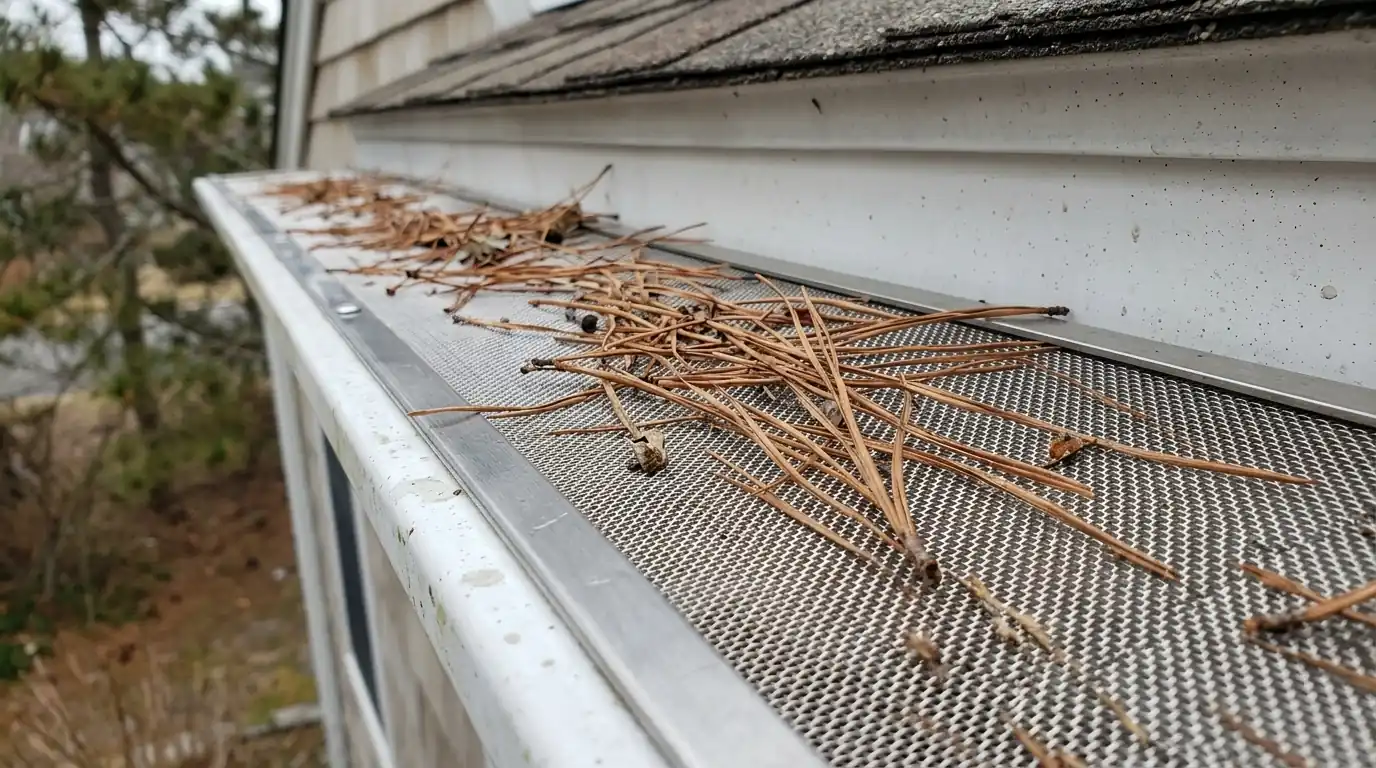
Shingle roofs around Toms River fail in predictable places. Rakes on the windward side lose tabs first during nor'easters, and north-facing slopes shaded by oaks and pitch pines grow algae streaks within a few humid summers. Closer to the water, in sections like Shelter Cove and along the barrier island, salt mist and constant breeze wear on the sealant and the granules faster than it does a few miles inland.
The houses themselves vary a lot. Older capes and ranches from the 1950s through the 1970s often have low slopes near the minimum pitch for shingles, so we run ice and water barrier further up those roofs. Newer colonials in the western sections have bigger, steeper planes that show color and shadow lines clearly. Raised homes rebuilt after Sandy catch more wind at the eaves. We match shingle grade and nailing to each of these, rather than putting the same roof on every house.
Where we do this work most
We work across all of Toms River (08753, 08755 and 08757) and these neighboring towns every week, along with the rest of Ocean County and southern Monmouth County.
- Silverton, Toms River08753
- Pleasant Plains, Toms River08755
- West Dover, Toms River08755
- Ortley Beach, Toms River08751
- Lakewood08701
- Brick08723
- Jackson08527
- Howell07731
- Manchester08759
- Berkeley Township08721
- Lacey Township08731
- Stafford Township08050
- Barnegat08005
- Wall Township07719
- Freehold07728
- Point Pleasant08742