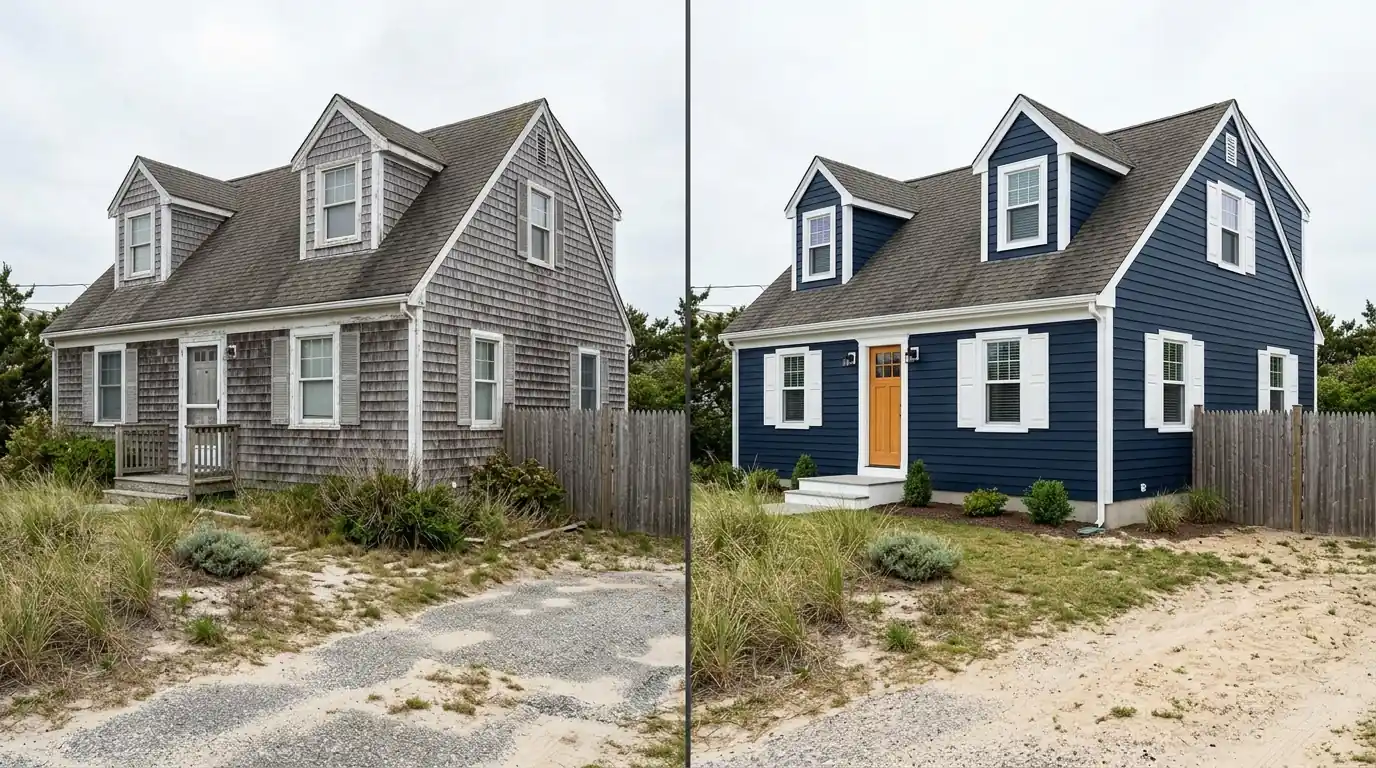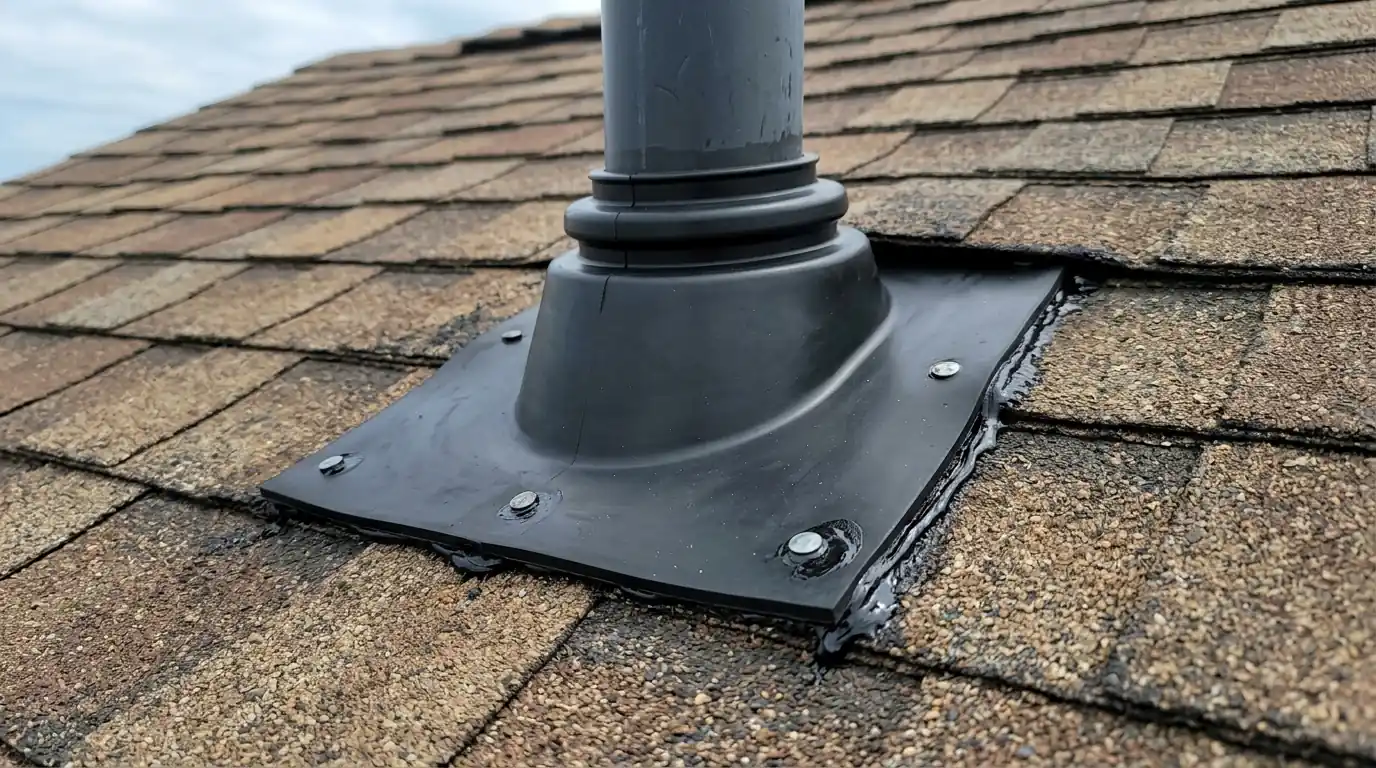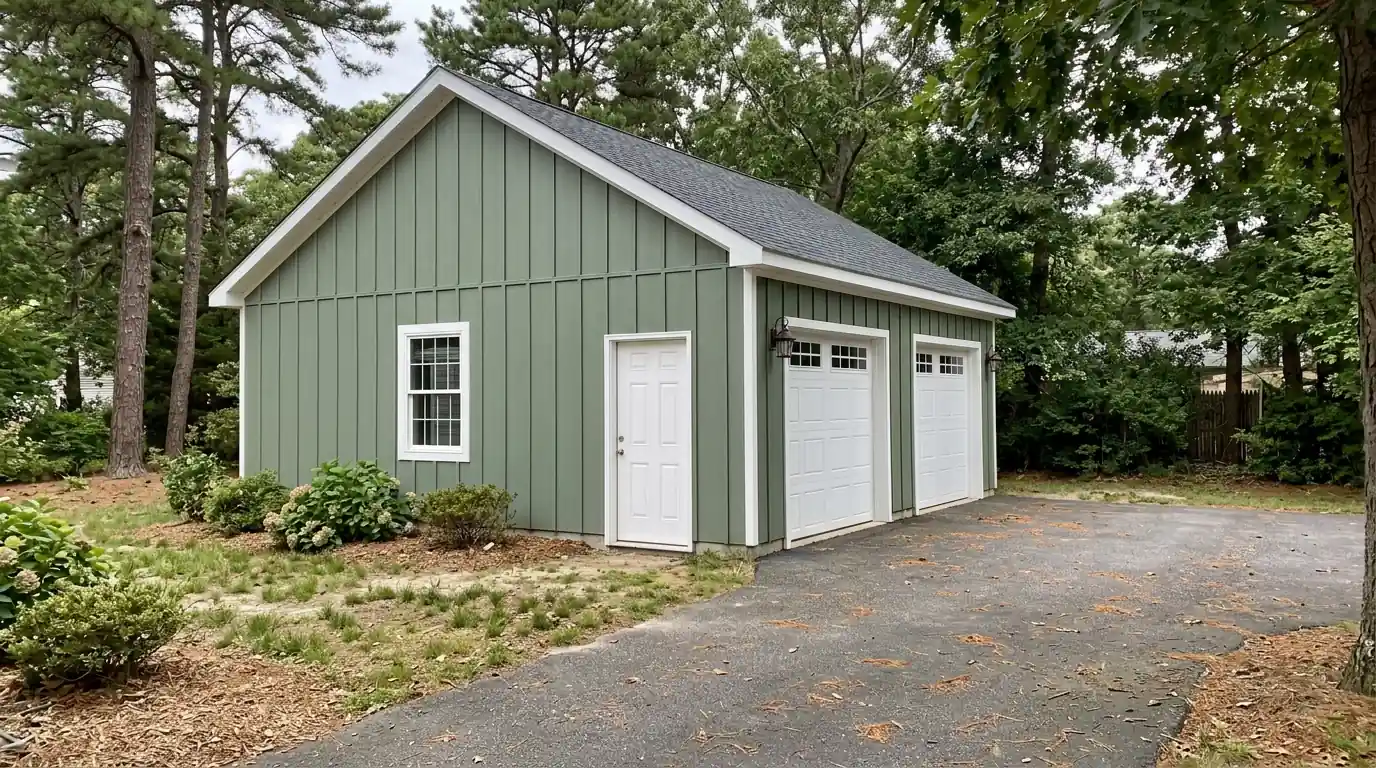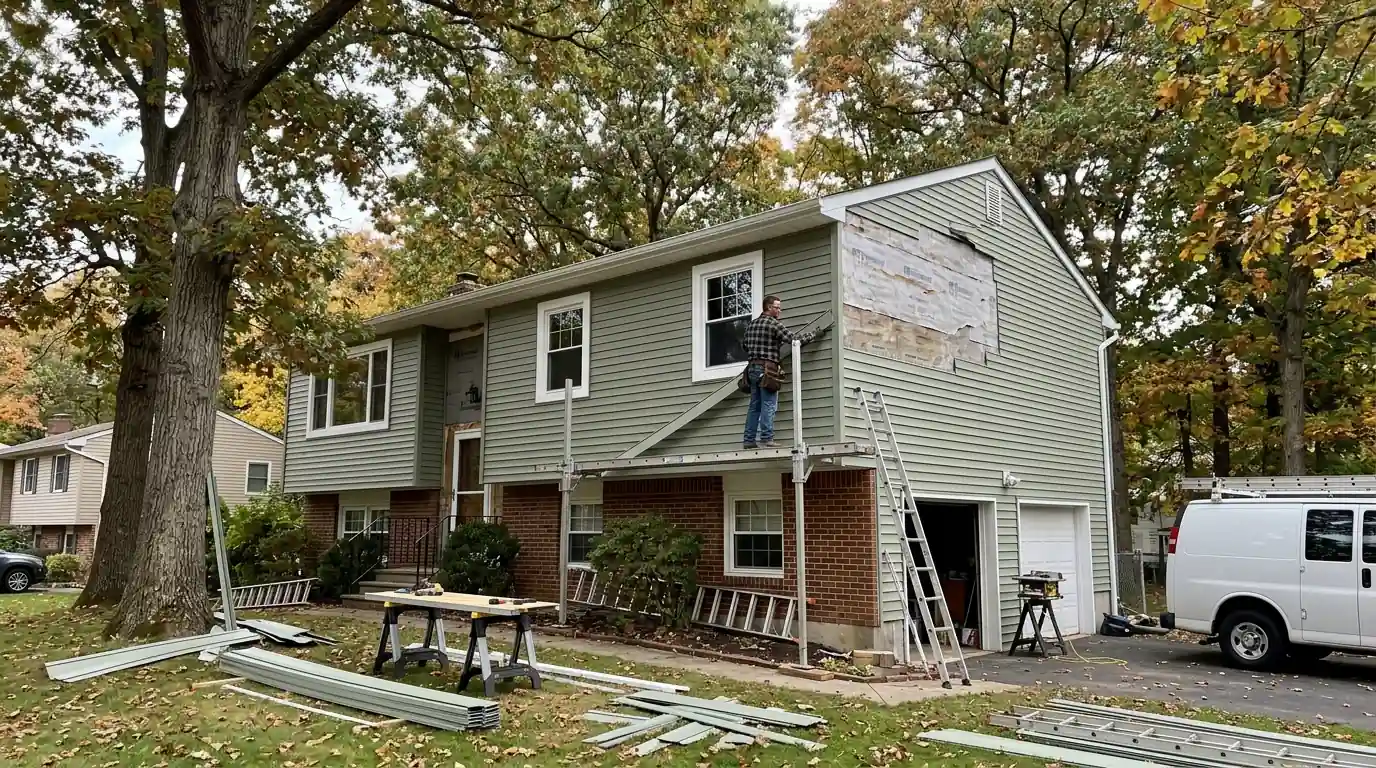
Yes. Dover Roofing covers all of Howell Township in Monmouth County, ZIP 07731, from Ramtown and Southard to the neighborhoods off Route 9 and Route 33. Our most common Howell work is siding replacement, siding and trim repair, and roof repair on 1960s to 1990s homes. Call (732) 419-1462; someone answers 24/7.
Is it time to re-side your Howell home?
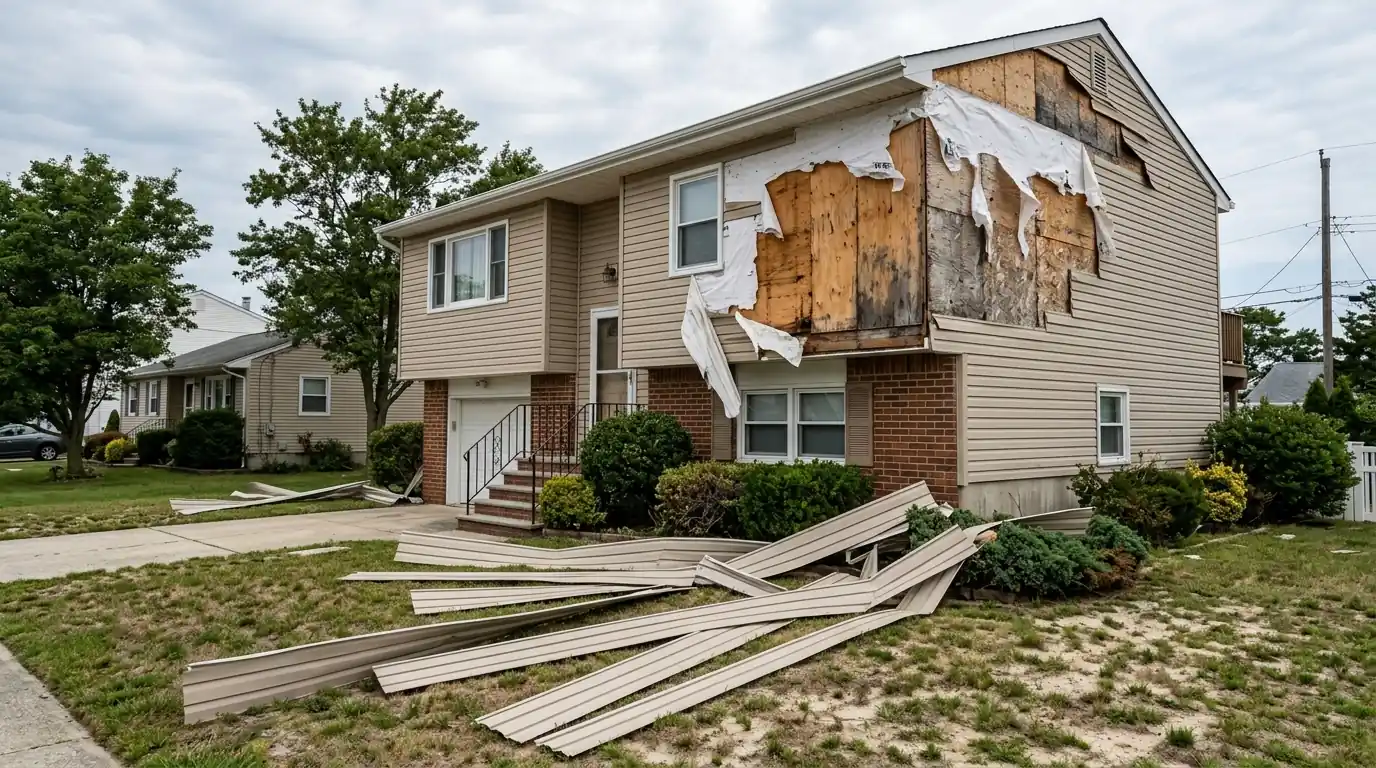
Press gently on the trim below a window. If it gives, or the paint is bubbling, water is getting behind the siding. Other clues are chalky aluminum that leaves residue on your hand, vinyl panels that ripple in the afternoon sun, and green mildew that comes back every spring on the shady side. Any two of those together usually mean it's time for a closer look. Give us a call at (732) 419-1462 and we'll check the walls and sheathing before talking about options.
Why Howell walls wear out the way they do
Howell is a big township with a lot of trees. Postwar growth after the 1950s turned farmland and woods into subdivisions, and the population more than tripled between 1950 and 1970. Building kept going into the 1990s, so many homes here sit on deep lots in neighborhoods like Ramtown, surrounded by mature oaks and pines. Around the 1,200-acre Manasquan Reservoir and the edges of Allaire State Park, the woods come right up to the backyard.
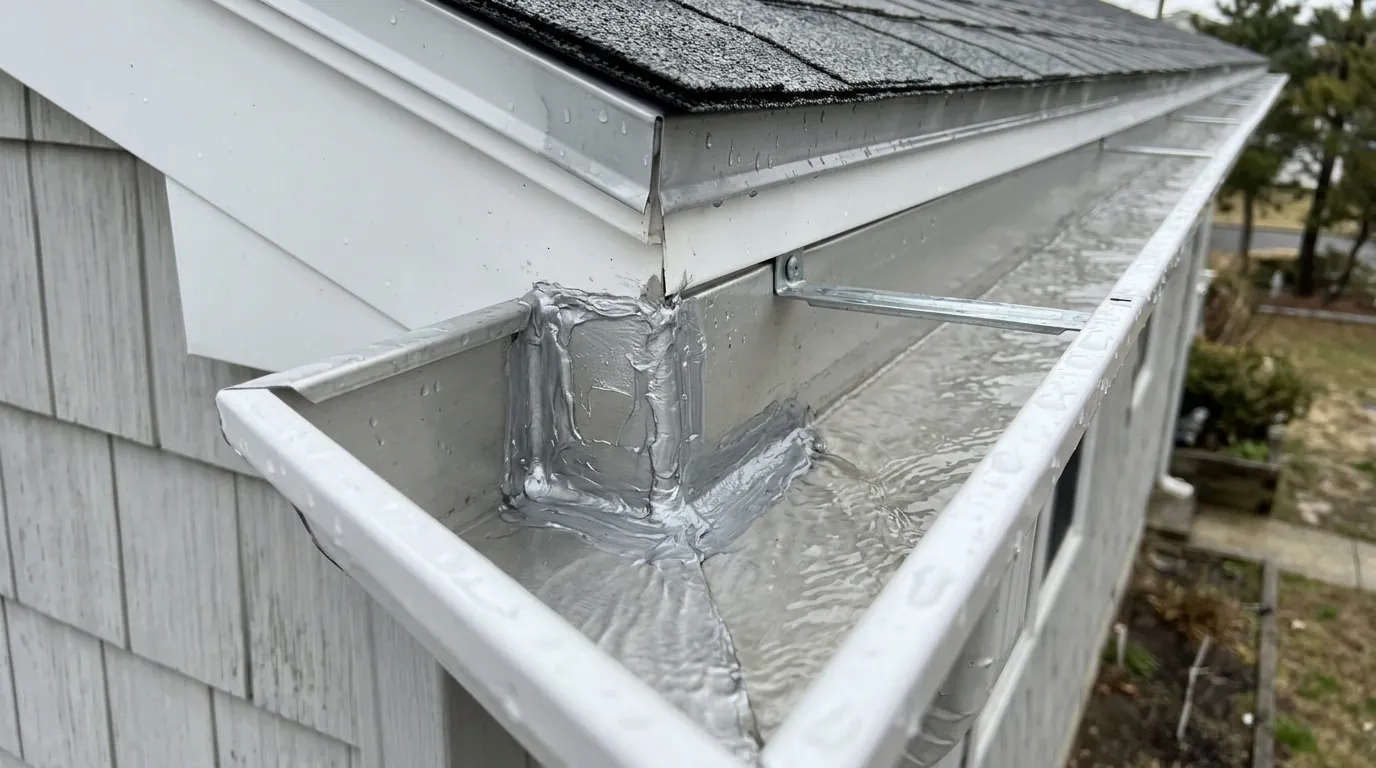
That shade keeps walls damp. North and west faces grow mildew, wood trim stays wet after rain, and window sills begin to rot behind their caulk. The roofs have their own tree problems: branches scraping shingles, valleys loaded with leaves, and gutters that overflow onto fascia. Because Howell sits inland, salt is rarely an issue, but winter freezes hit harder than on the coast, which makes good attic ventilation and clear gutters important for keeping ice off the eaves.
Siding choices that work on a shaded Howell lot
Here is how the main options compare for homes under heavy tree cover.
Insulated vinyl
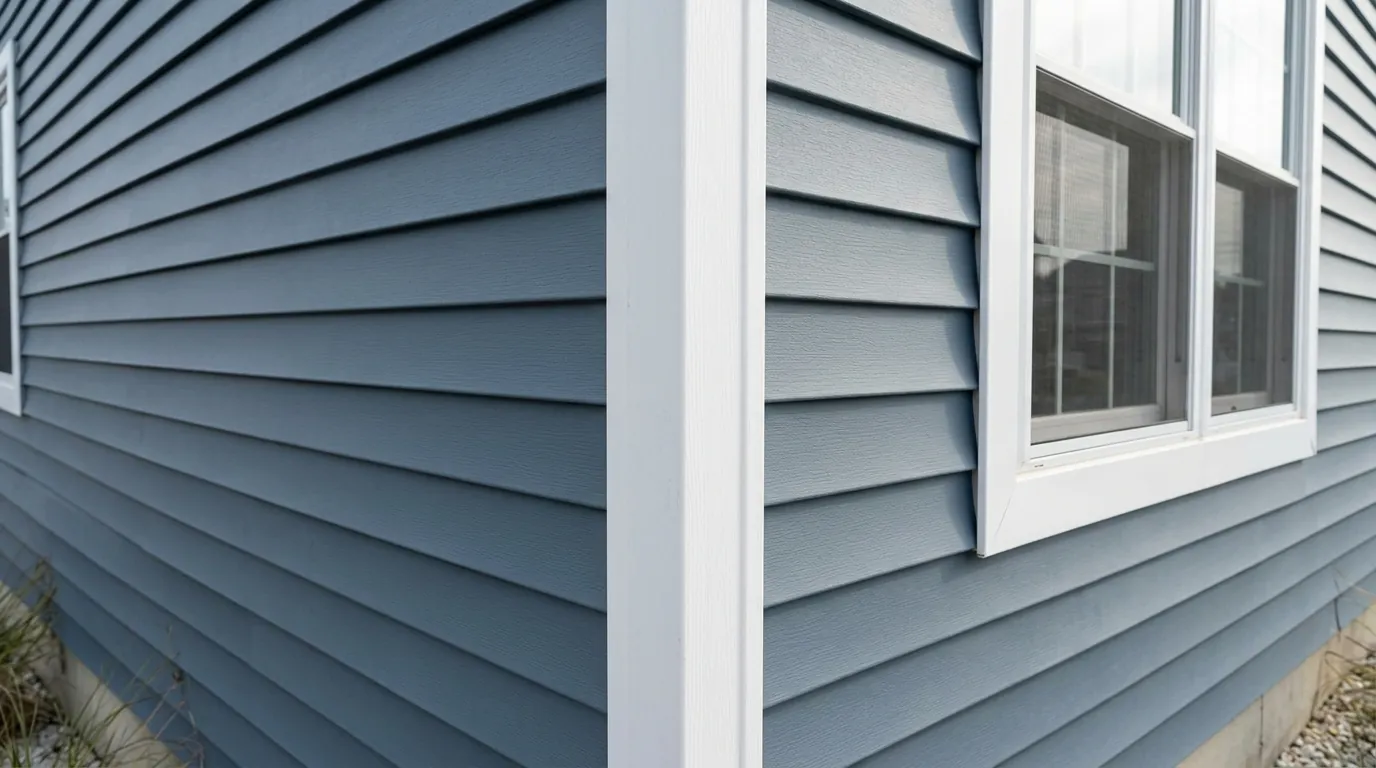
Foam-backed vinyl from brands like Mastic or Alside stiffens the panel so it lies flatter and resists dents from falling twigs. It's easy to wash mildew off and never needs paint.
Fiber cement
James Hardie lap siding resists woodpeckers, holds a factory finish for years and stands up well to damp. It costs more and needs careful clearance from soil and roof lines.
Engineered wood
LP SmartSide gives a deep wood-grain look with a lighter weight than fiber cement. It needs proper end sealing and ground clearance, which matter more on damp, shaded walls.
PVC trim and capping
Whatever siding you choose, swapping rotted wood trim for cellular PVC and capping window casings with aluminum ends the cycle of scraping and painting.