We serve Manasquan from the beachfront to the Glimmer Glass and out toward Route 34. Roof replacements, fiber cement and vinyl siding, and storm repairs make up most of our work here, along with gutters on bungalows that never had good ones. Call (732) 419-1462, day or night, and you'll reach someone who can help.
Keeping a Manasquan bungalow, or building on its lot?
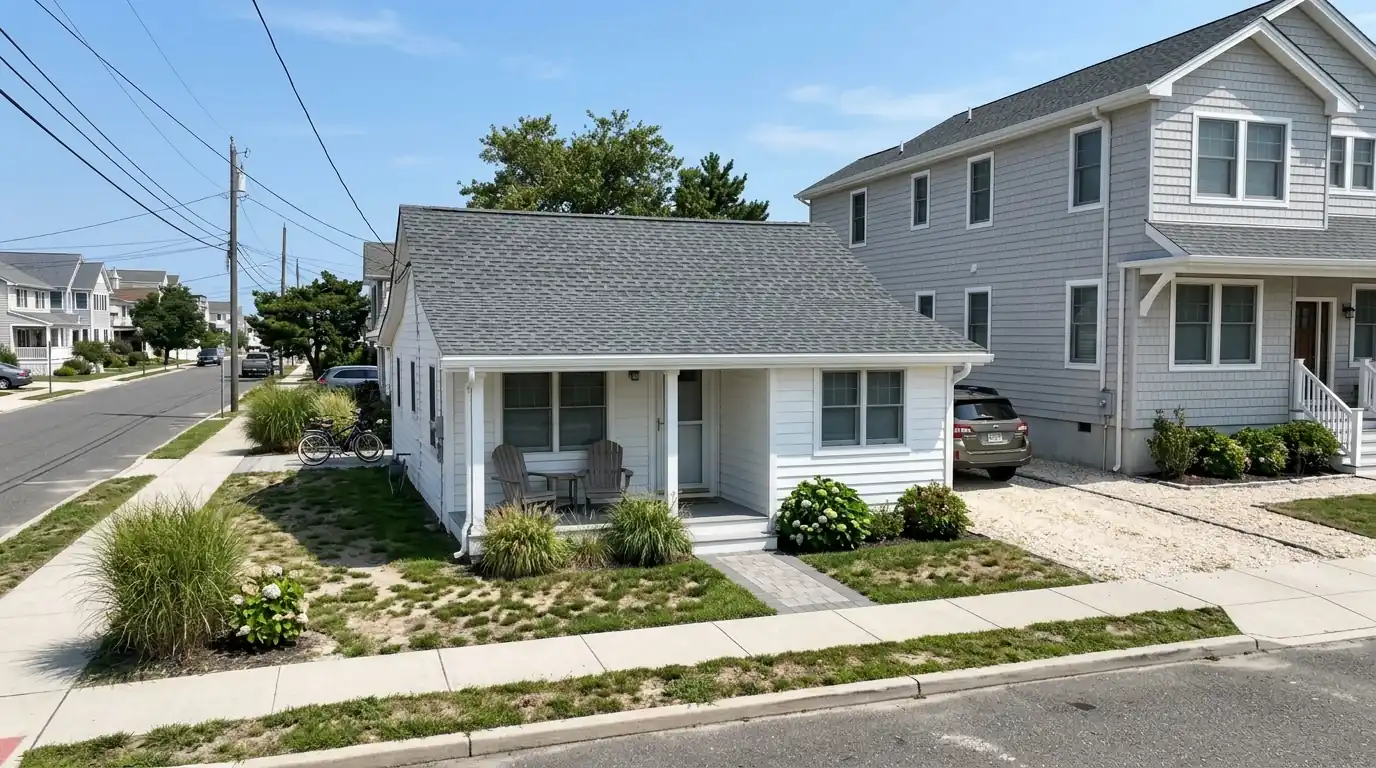
If you're holding on to an original bungalow, a modest roof and siding refresh can carry it for many more years, and that's work we enjoy. If you're replacing one, bring us in early so the roof, siding and gutters on the new house are planned for the inlet wind rather than picked off a catalog page. Either way, a roof inspection gives you photos and a straight answer on what's left in the current roof. Give us a call at (732) 419-1462.
Bungalows, bigger houses and the weather between them
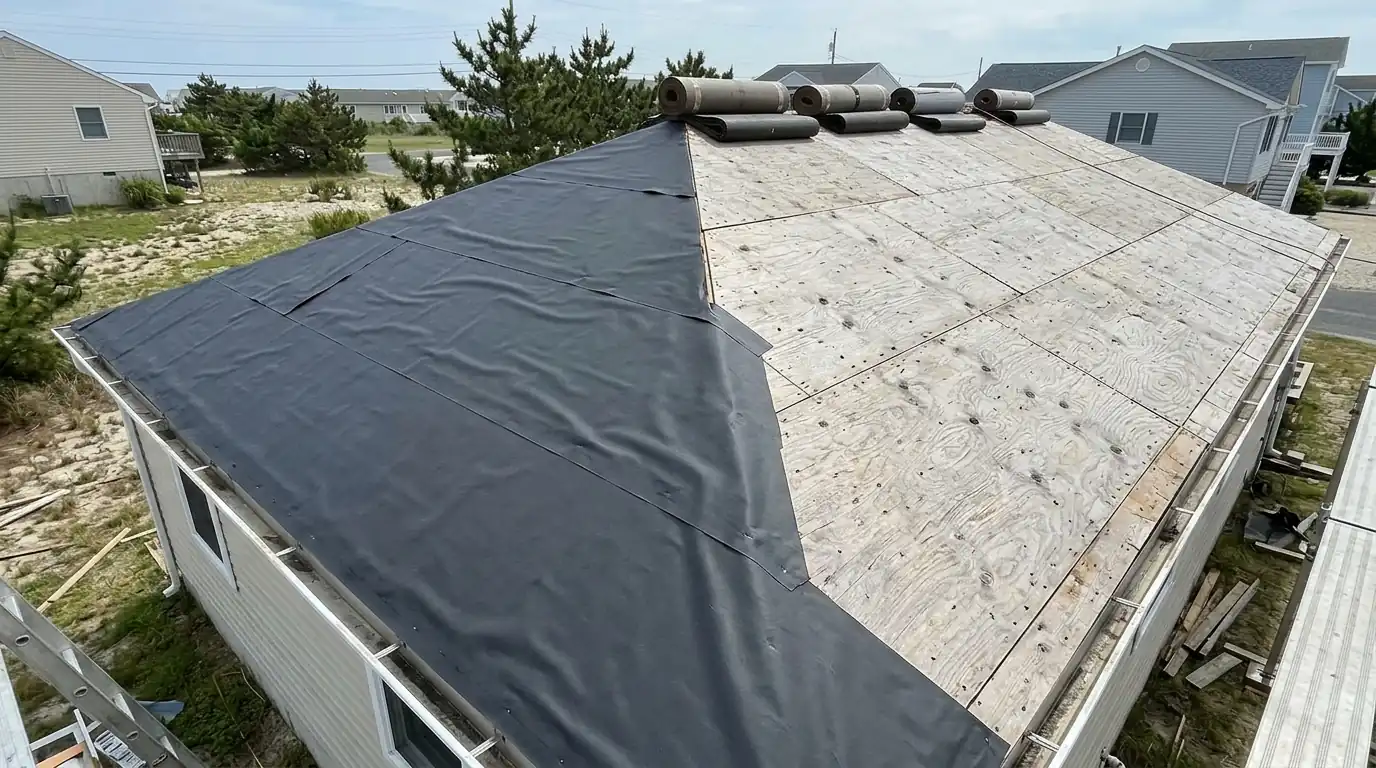
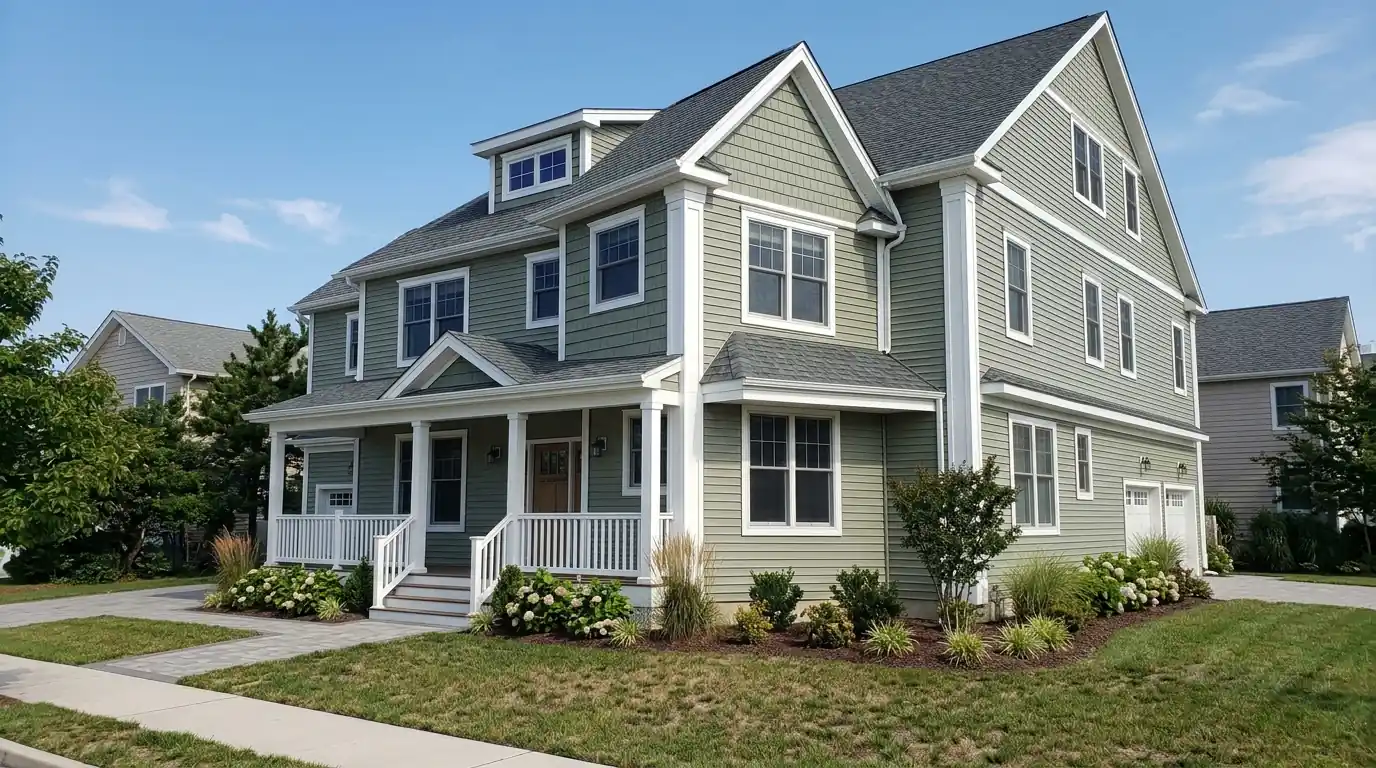
Walk a few streets back from the beach and you'll see the old pattern: small one-story cottages with low roofs, shallow eaves and maybe a screened porch. Many have been reroofed so many times that the deck carries layers of history underneath. Between them stand two- and three-story homes with tall walls and complex rooflines, built as the town turned into a year-round place.
The weather treats each kind differently. Low bungalow roofs sit partly sheltered by neighbors and trees, but their short overhangs and small gutters dump water right against the foundation. Taller new homes catch the full force of wind coming off the ocean and up the inlet, which puts stress on siding laps, rake edges and window trim at the upper floors. Toward the Glimmer Glass and Watson Creek, damp river air keeps shaded slopes wet longer and invites algae.
What we look at on every Manasquan visit
Whether you call about one leak or a whole house, our roofers run through these points before giving you any recommendation.
- How many shingle layers are on the roof and how the deck feels underfoot
- Flashing at porch roofs, dormers and chimneys, where older cottages leak most often
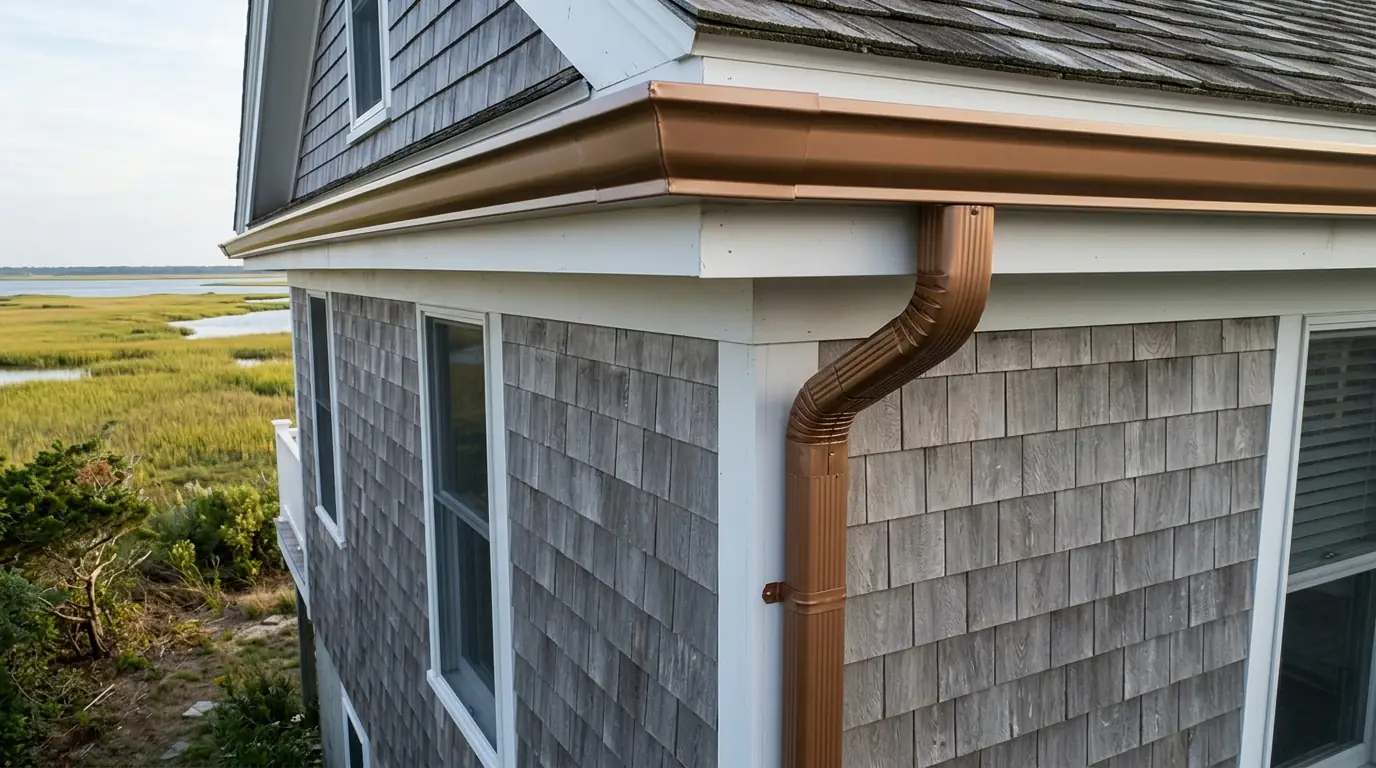
- Gutter size, pitch and where each downspout sends its water
- Siding fasteners and laps on walls that face the inlet or the ocean
- Window and door trim for soft wood, peeling paint or failed caulk
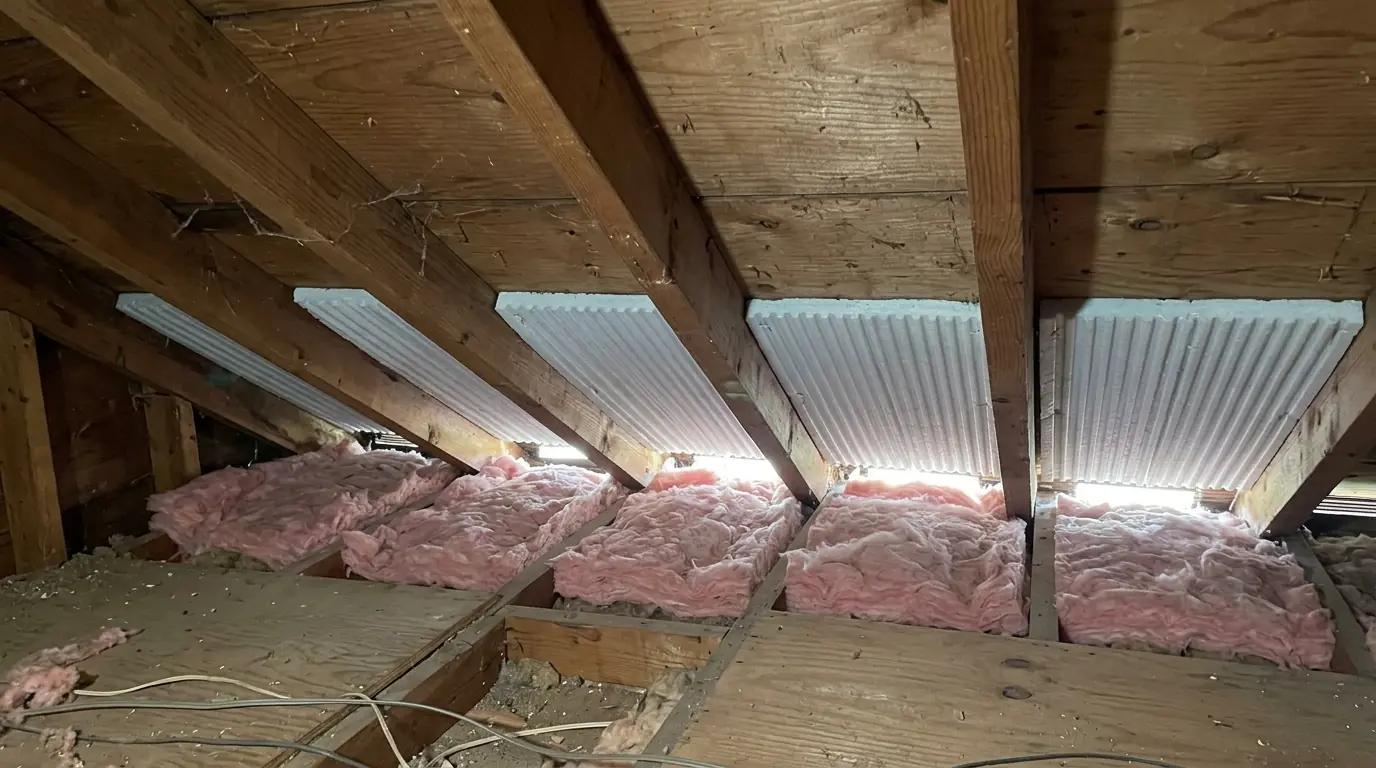
- Attic or crawlspace ventilation, including blocked soffits
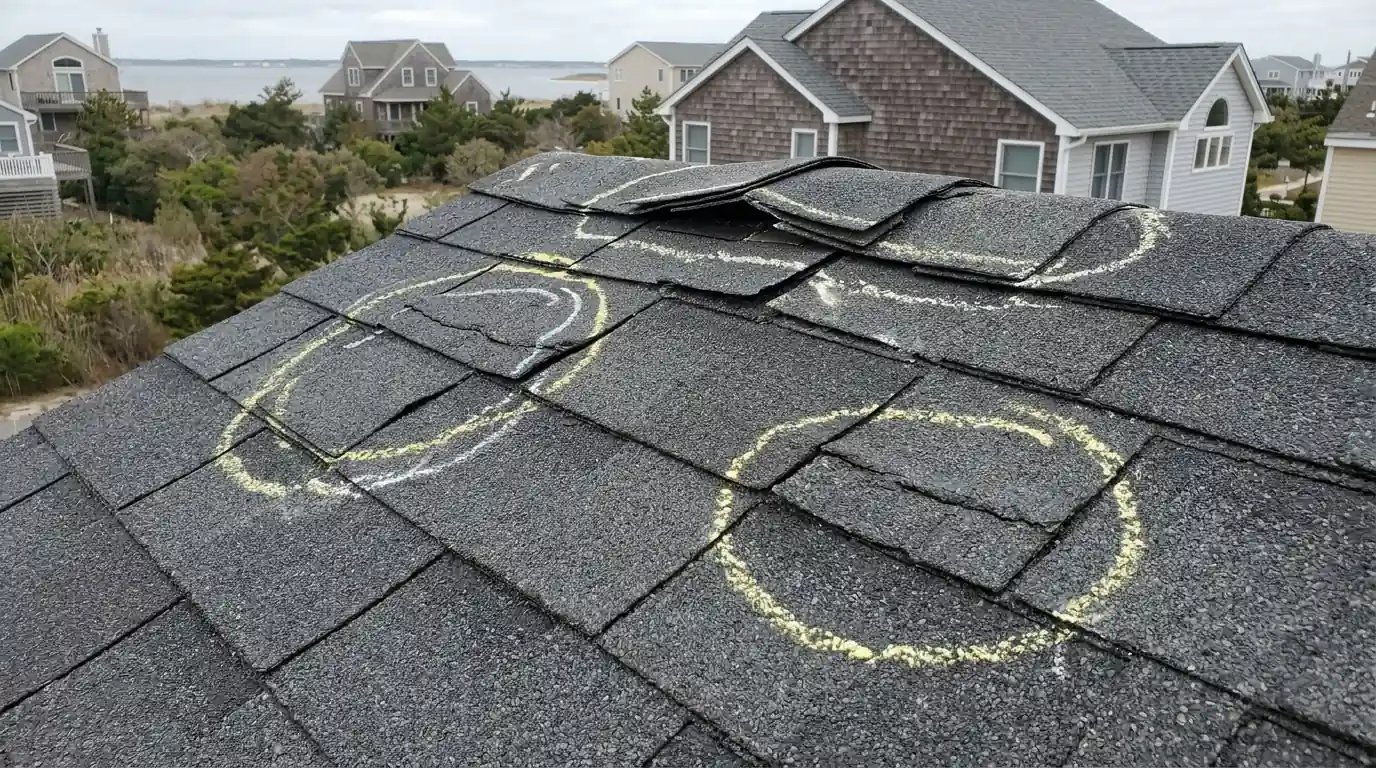
- Signs of earlier storm repairs that were never finished properly
Siding choices that make sense this close to the inlet
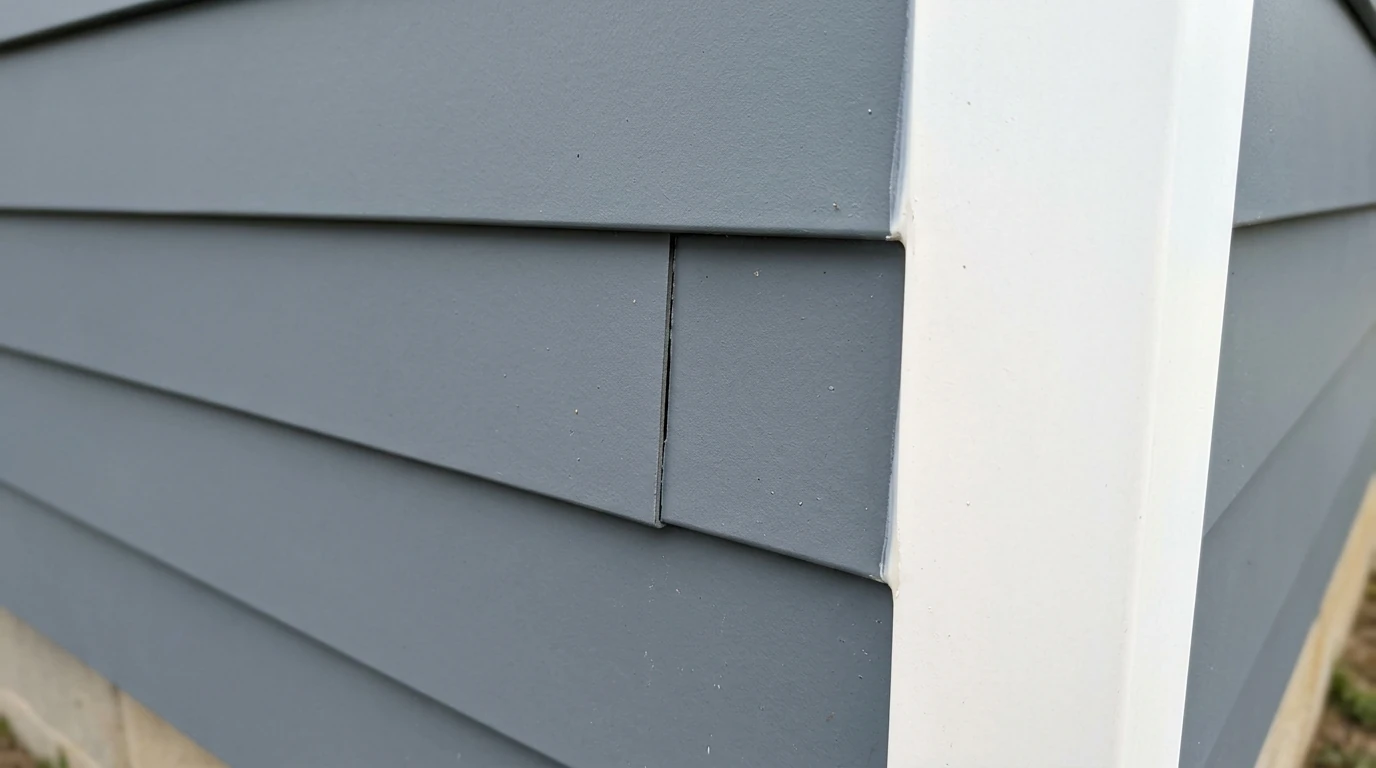
For taller homes near the beach, many owners pick fiber cement siding for its rot resistance and the way it holds paint through salty summers. Lap siding on the main walls with shingle-style panels in the gables suits the town's look well. For smaller cottages, a quality insulated vinyl can be a sensible, lighter choice that's easy to repair later.
Whatever goes on the walls, the details make the difference: house wrap lapped the right way, flashing tape at every window and door, and trim that won't soak up water. When we re-side, we usually pair the job with PVC trim and window capping so the whole exterior wears evenly. Neighbors in Wall Township and across the river in Point Pleasant face similar wind, and we bring the same care there.