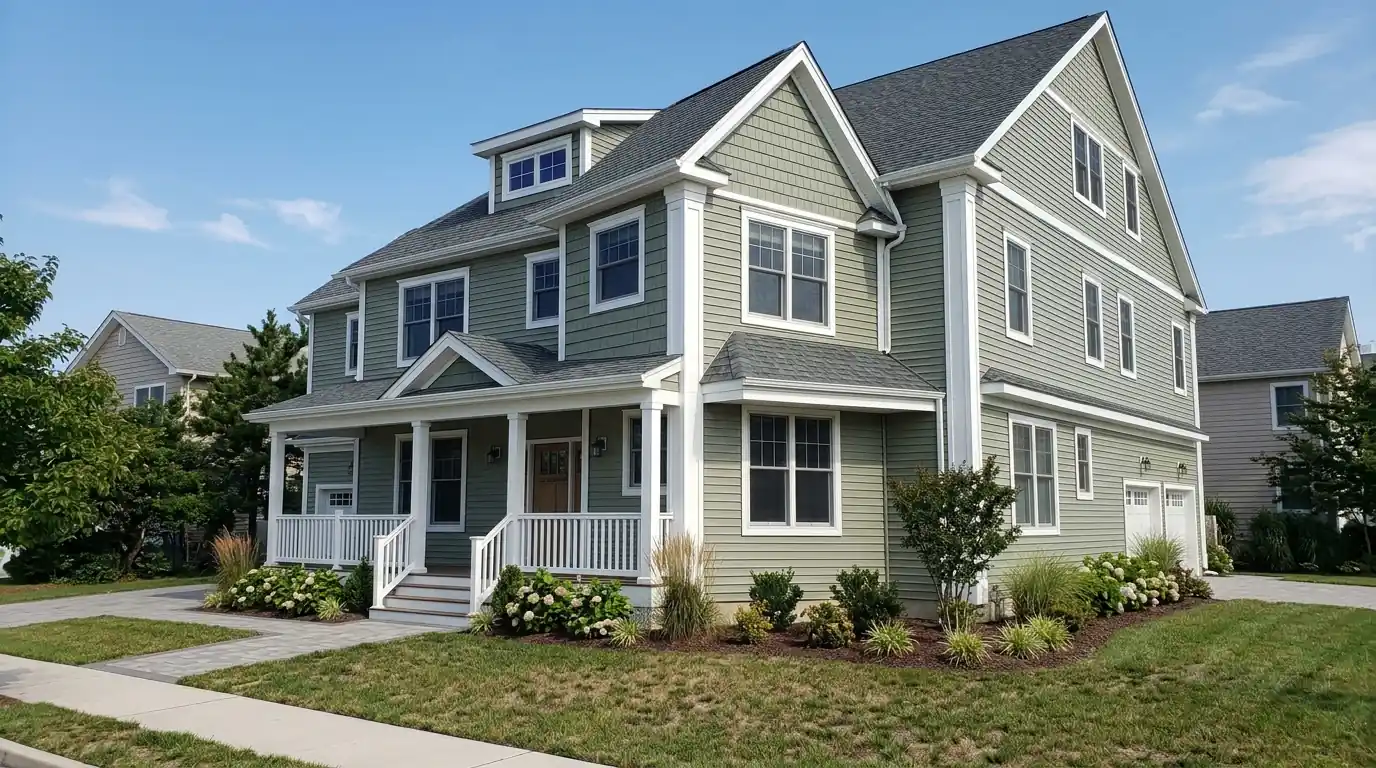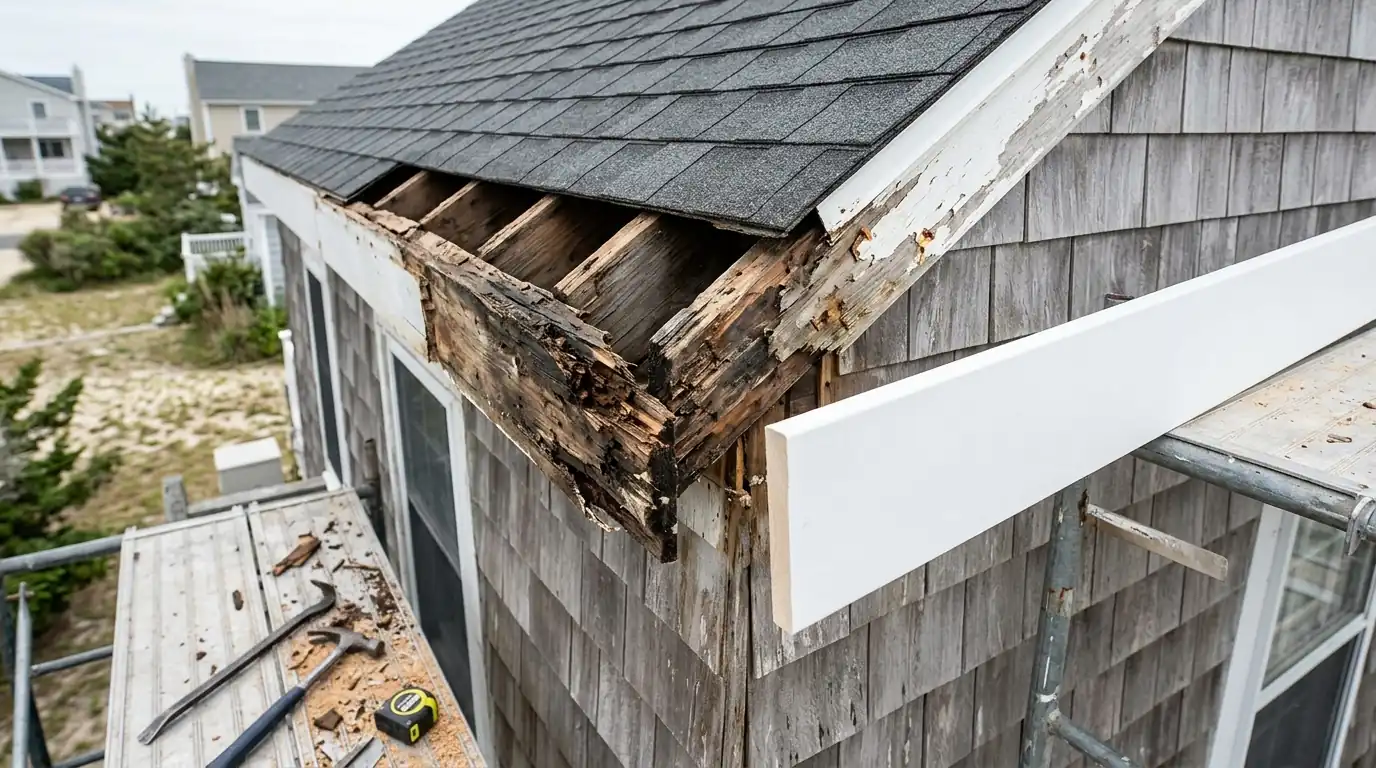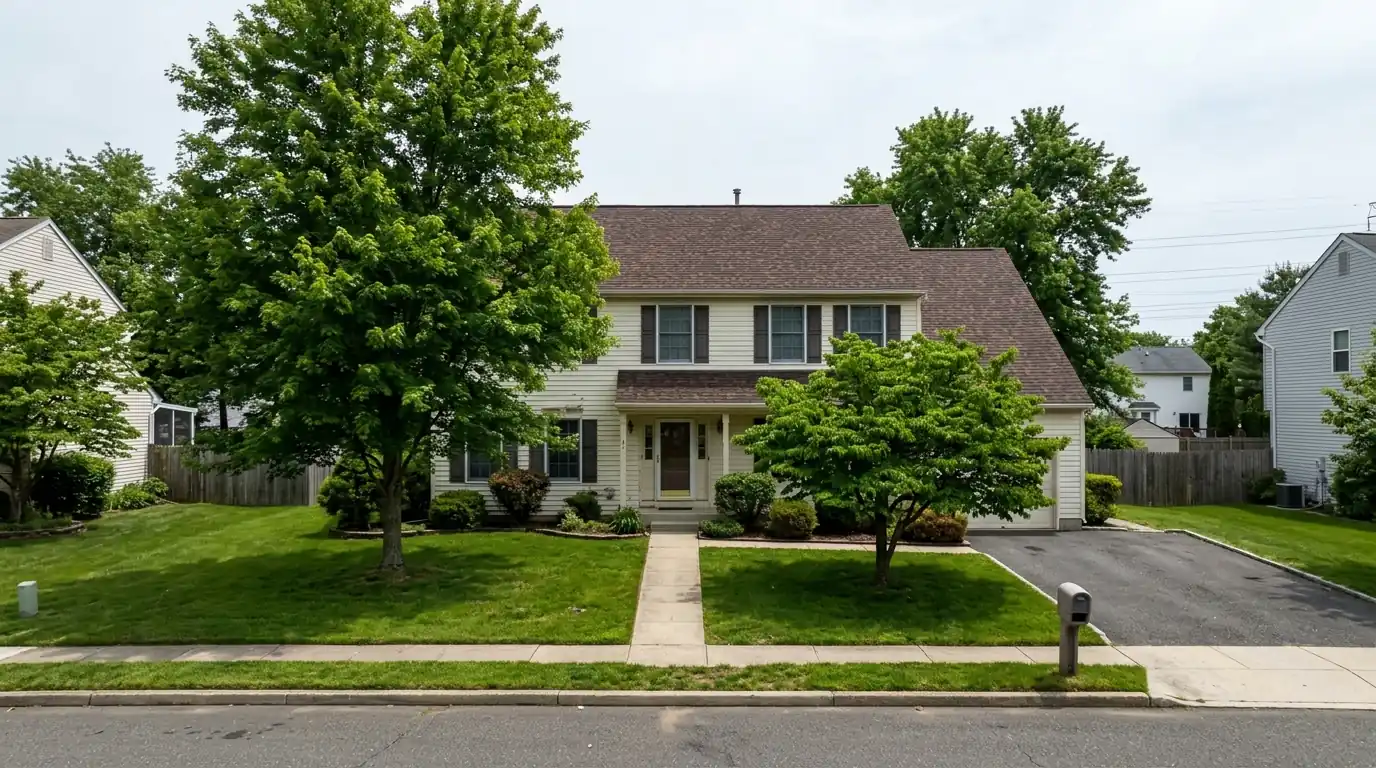
We serve both Freehold Borough and Freehold Township. Most of our work here is roof inspections that end in a clear repair or replace answer, full shingle replacements on subdivision homes reaching the end of their first or second roof, and siding and trim upkeep on older borough houses. Call (732) 419-1462 any hour of the day.
What a Freehold roof inspection covers, start to finish
Most Freehold calls start with a homeowner who isn't sure what their roof needs. Here's how we get you a clear answer.
Ground and gutter check
We walk the house first, looking at the roofline for sags, the gutters for granules and the siding below for water marks. Those clues tell us where to focus once we're up top.
15 to 20 minutesOn the roof
Shingles, flashing, pipe boots, ridge cap and valleys all get a close look. We test how well shingles are sealed down and note any soft spots in the deck underfoot.
30 to 45 minutesIn the attic
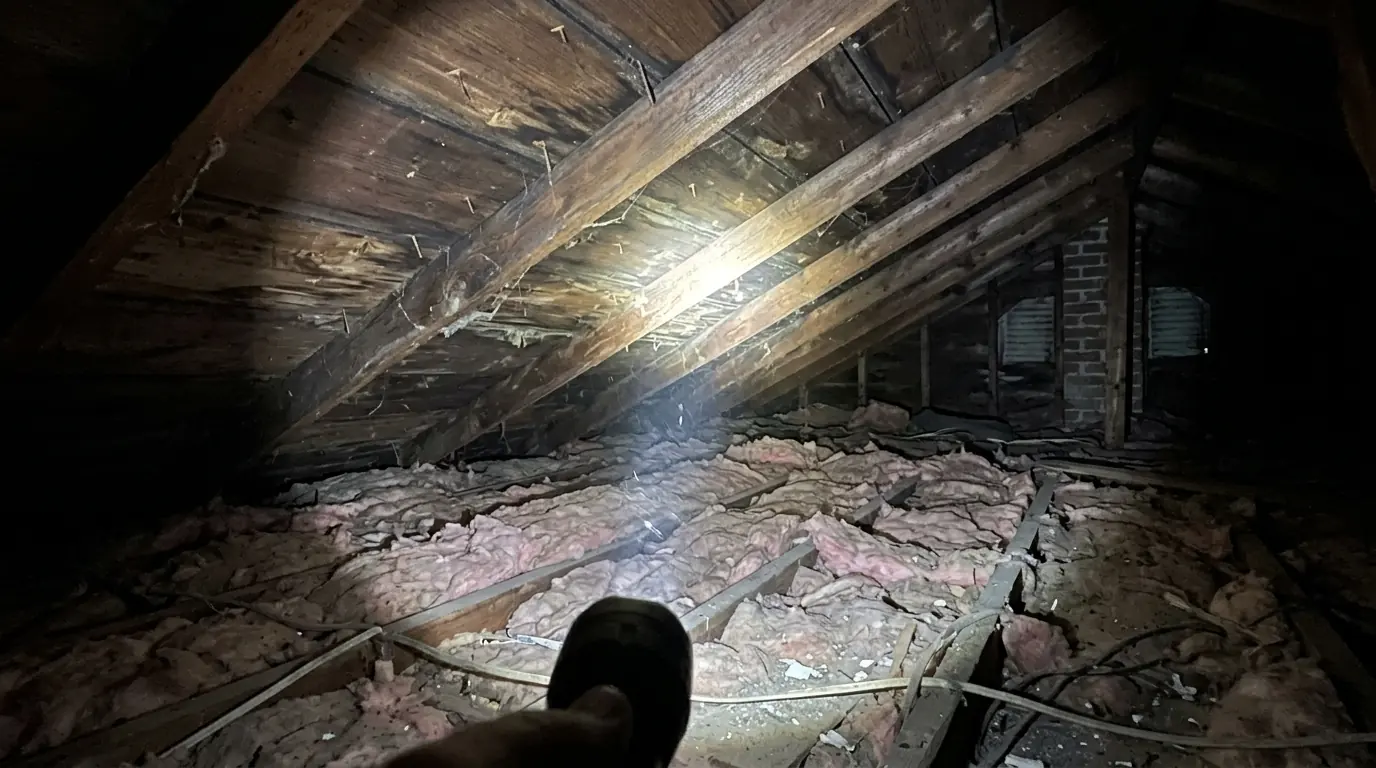
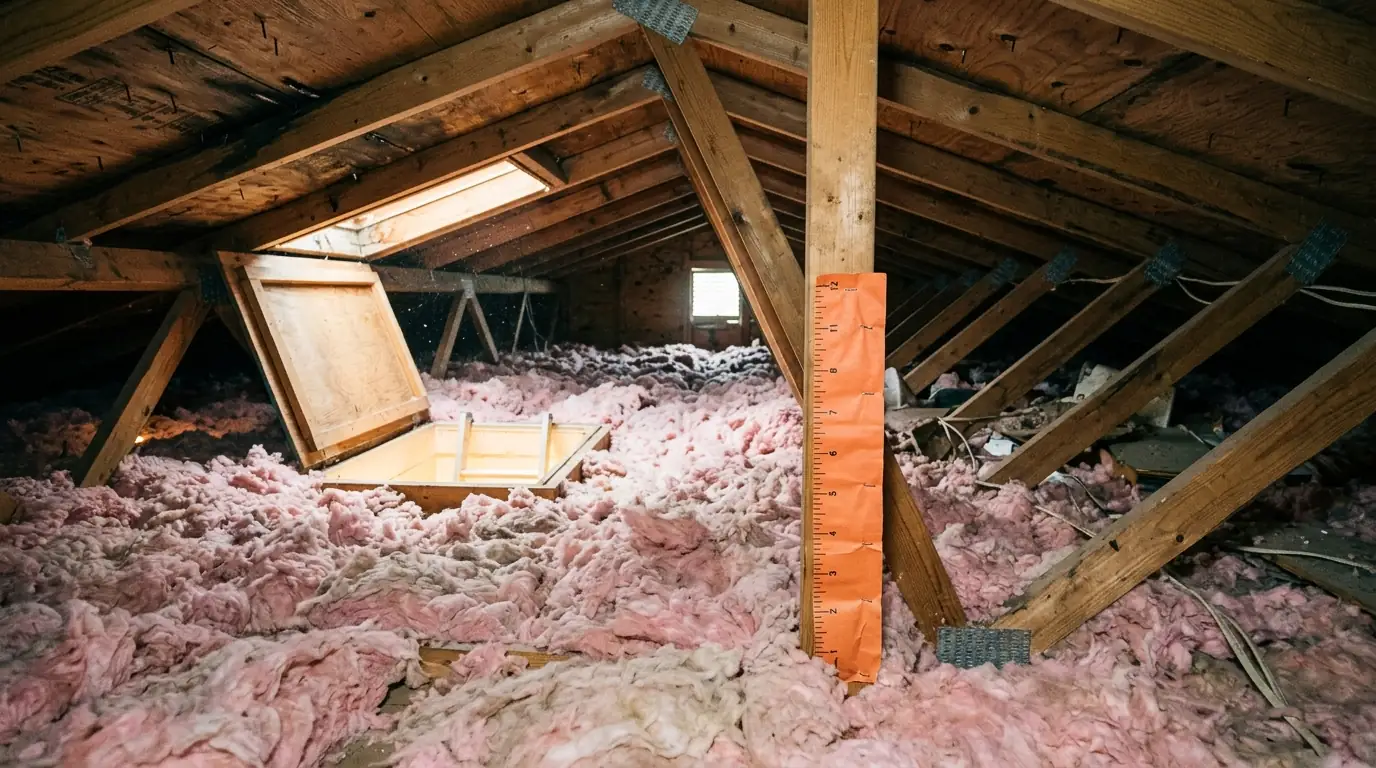
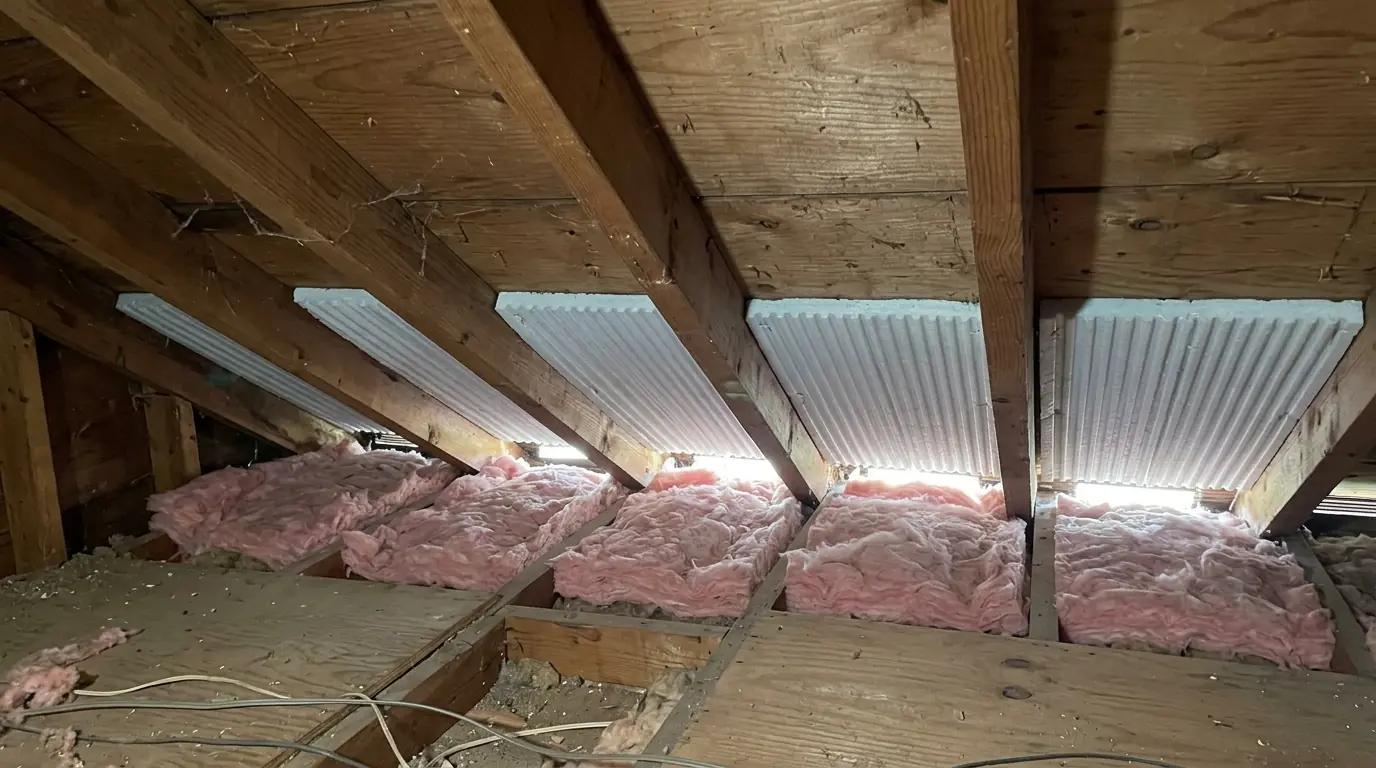
From inside, we check for daylight at nail holes, staining on the sheathing, frost or mold signs and whether soffit vents are actually pulling air.
15 to 30 minutesPhotos and a plain answer
You get photos of what we found and a straight recommendation: leave it, repair specific spots, or plan a replacement and roughly when. No pressure either way.
Same visit
Inland weather is hard on roofs in its own way
Without the ocean to moderate the temperature, Freehold summers heat attics hotter and winters freeze them colder than a lot of the shore. Shingles that cook through August lose their oils and granules faster, especially on south and west slopes. Then in January, warm air leaking from the house melts snow on the upper roof, and the water refreezes at the cold eaves into ice dams that back up under the shingles.
Summer thunderstorms add sudden bursts of wind and hail. Large shade trees in older neighborhoods drop limbs during those storms, and township subdivisions with open lots let gusts hit roofs with nothing to break the wind. None of this is as dramatic as a nor'easter on the beach, but it adds up steadily over the life of a roof.
Two Freeholds, two different kinds of houses
The borough and the township share a name and a ZIP, but the homes in each tend to need different things.
Borough Victorians
The older streets around Main Street hold homes with steep roofs, porches, decorative trim and wood siding. Repairs here call for careful flashing, profiles that blend with the originals and trim that resists rot.
Township colonials
Many two-story colonials in township subdivisions are on their first or second roof. They tend to have big, simple roof planes that suit architectural shingles and a full ridge vent.
Split-levels and ranches
Older ranches and split-levels often carry two shingle layers and minimal soffit venting. A tear-off with new intake and exhaust venting fixes problems the top layer was hiding.
Porches and additions
Low-slope porch roofs and rear additions show up all over town. Those sections often need EPDM or a properly flashed shingle tie-in to stay dry.
When we recommend replacement in Freehold
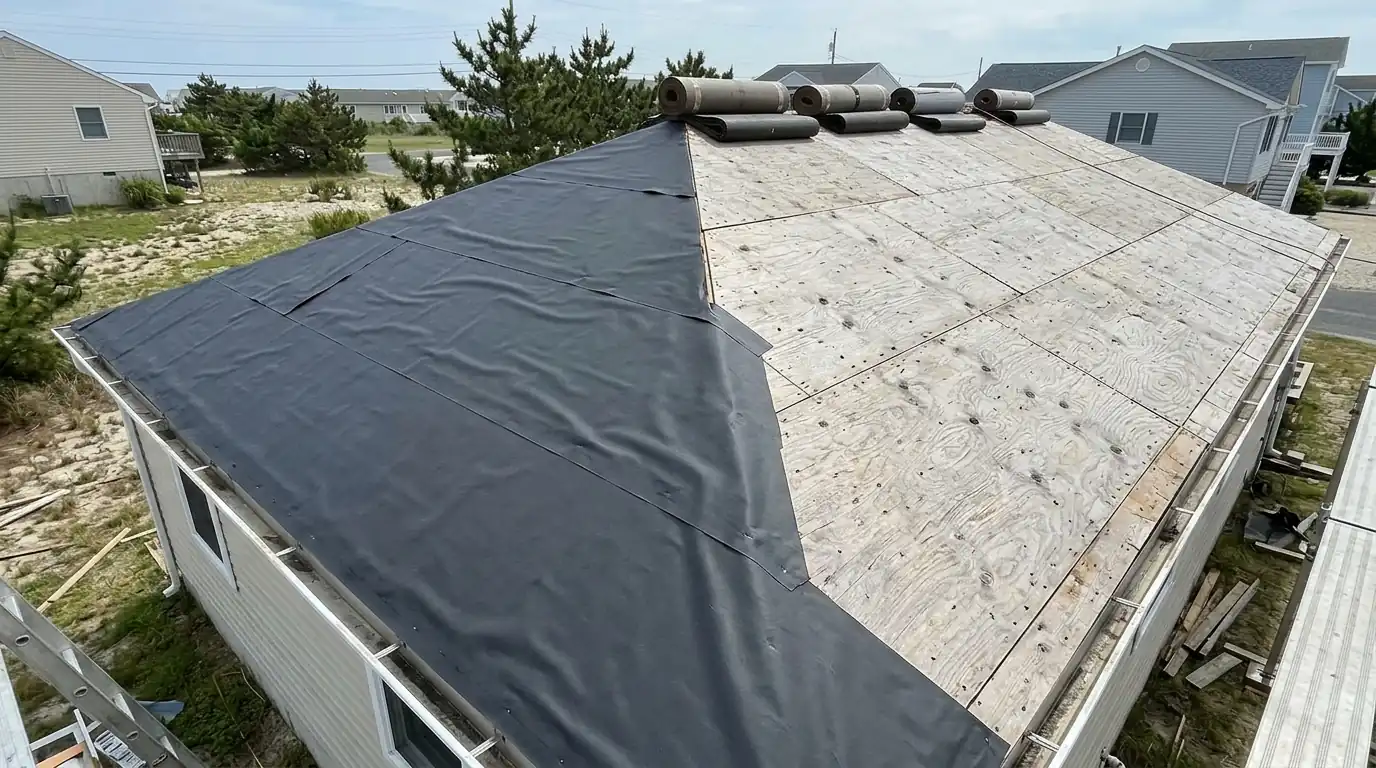
We don't push replacement when a repair will do. But if an inspection shows widespread granule loss, many cracked or curled shingles, repeat leaks in different spots or soft decking, a roof replacement usually costs less over time than chasing problems one by one. On a typical township colonial, we tear off to the deck, install ice and water barrier at the eaves and valleys, and finish with shingles from lines like GAF, Owens Corning or Atlas.
Ventilation gets fixed in the same project, which is the best way to cut down on ice dams. If your siding is tired too, pairing the roof with vinyl siding or soffit and fascia work keeps the exterior on one schedule. Homes in nearby Howell see many of the same inland conditions, so we often run similar jobs there.