Yes, we work all through Shelter Cove, from Fischer Boulevard out Bay Avenue to the park and along the lagoon streets. Owners here most often ask us about metal roofs, fiber cement or vinyl siding built for salt air, and repairs after a storm pushes water up the lagoons. Call (732) 419-1462 at any hour.
Living on the lagoons: what salt does to a Shelter Cove house
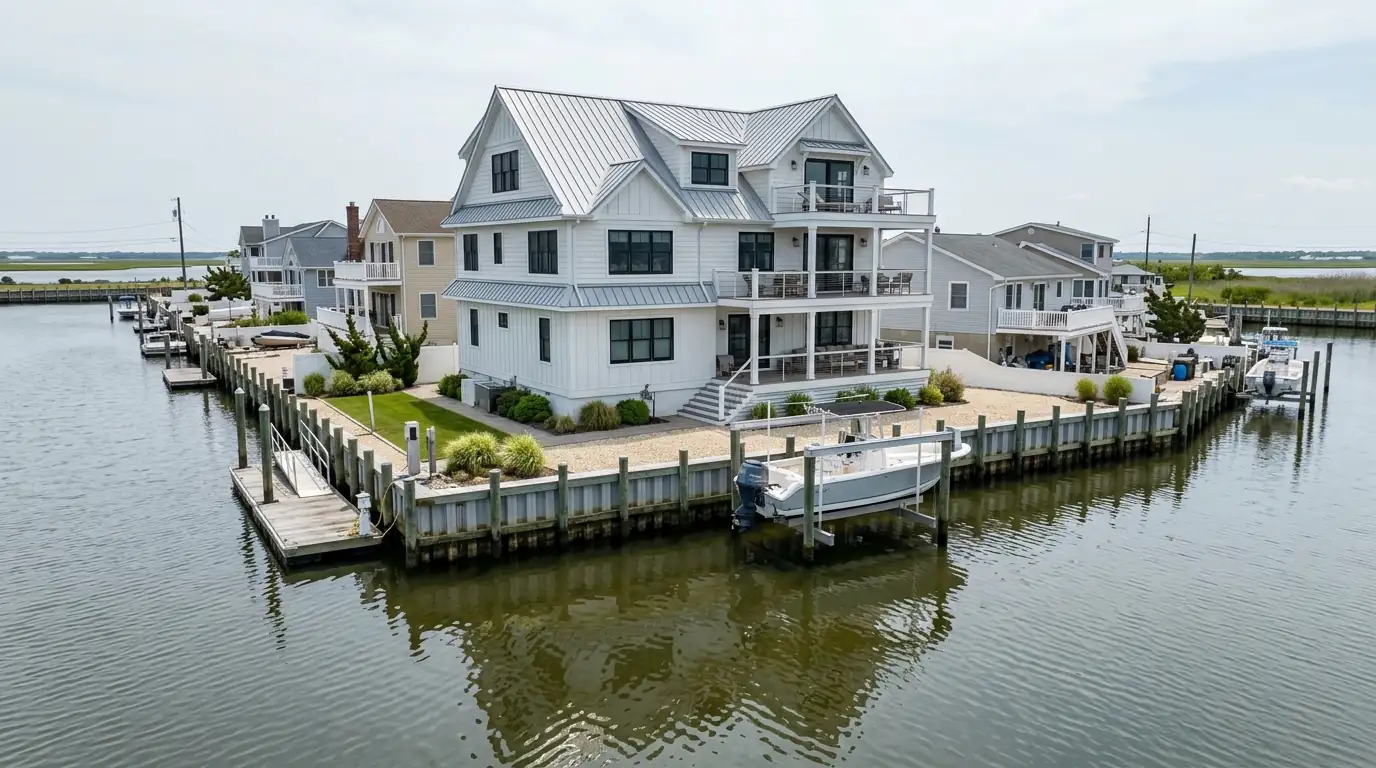
Shelter Cove runs out Bay Avenue east of Fischer Boulevard to Shelter Cove Park, a small bay beach looking across Barnegat Bay toward West Point Island and Lavallette. Cattus Island County Park sits just to the north, and lagoons cut between the streets, so many homes have water on one side and a bulkhead in the backyard. The first houses went up in the late 1950s.
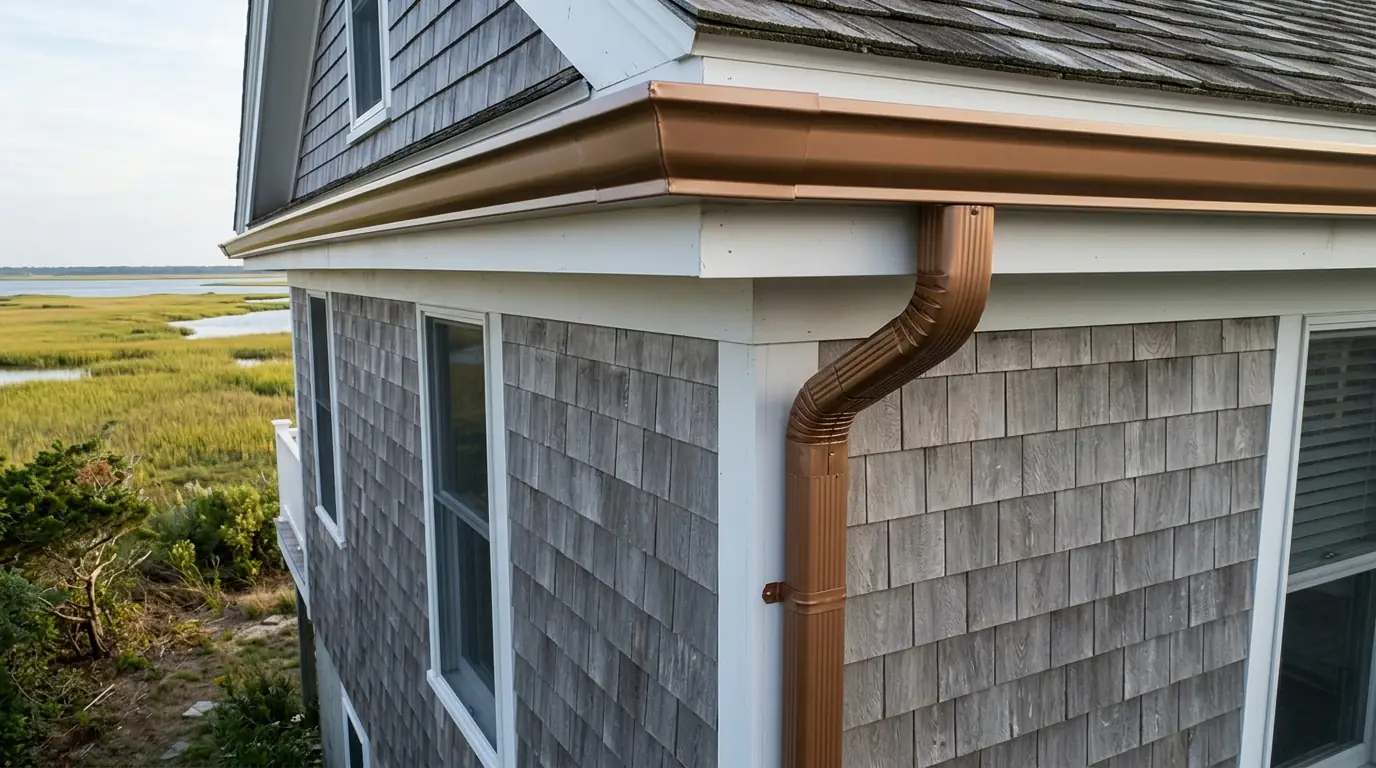
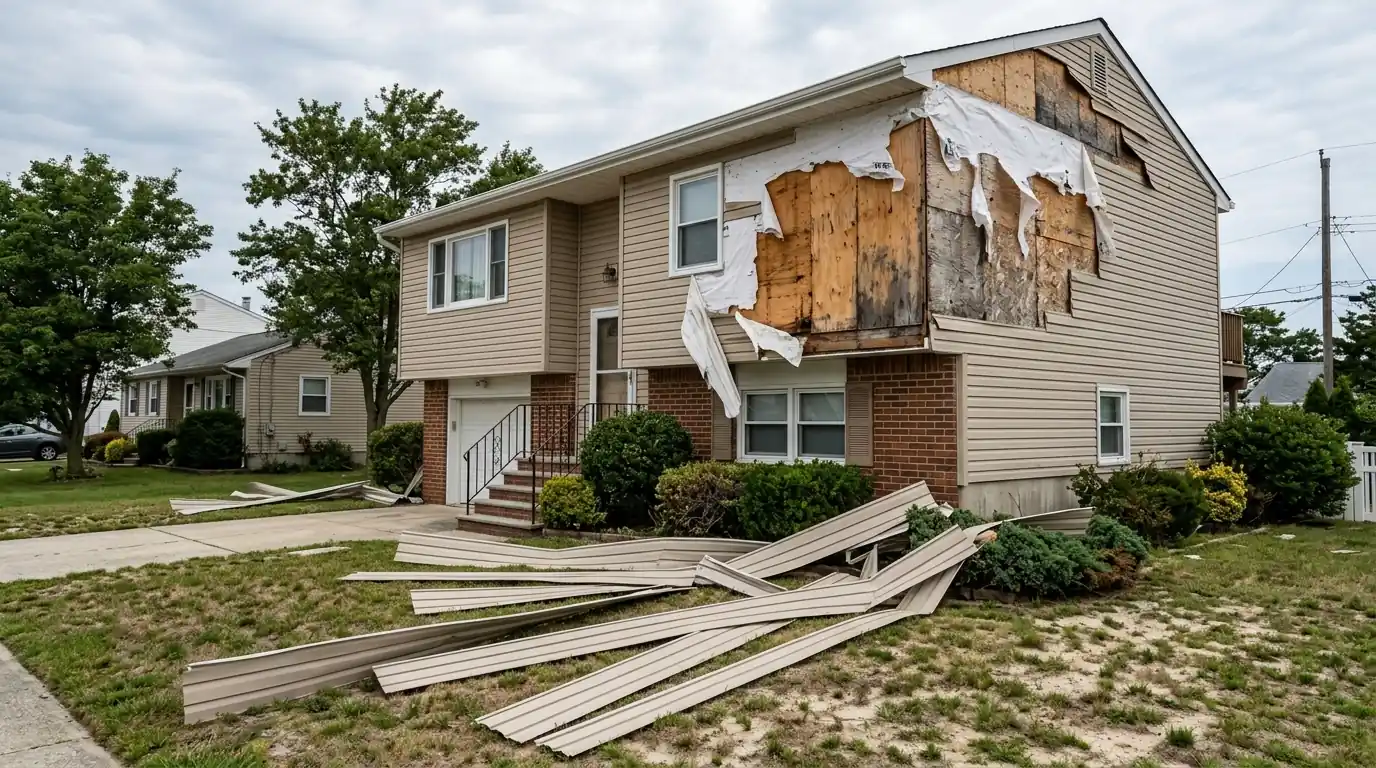
Salt is the constant here. It settles on everything in a fine film, and wherever metal touches metal, it speeds corrosion. We see rusted nail heads bleeding through shingles, pitted aluminum gutters, and drip edge eaten through at the corners. Storms add water to the mix: during Irene in 2011, lagoons along Cove Road rose to dock height, and nor'easters push the bay up into the lagoons several times most winters. Siding near the ground and trim at the base of walls take the worst of it.
Materials that hold up within sight of the bay
On a Shelter Cove house, the right material choice matters as much as a good install. These are the options we recommend most.
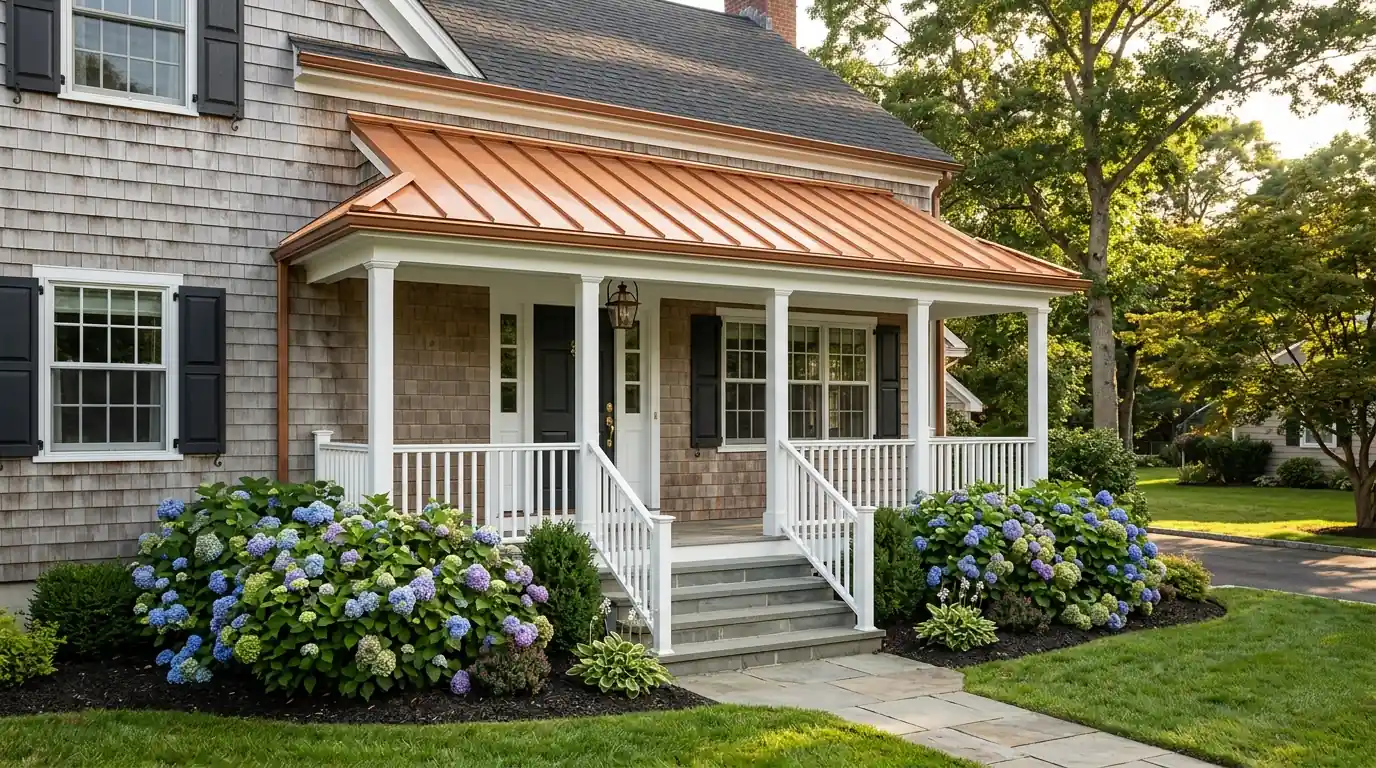
Standing seam metal
A coated steel or aluminum metal roof sheds wind and salt well and has no exposed fasteners on the panels. Aluminum is the safer pick right on the water, since it won't rust if the coating gets scratched.
High-wind architectural shingles
For owners who want shingles, coastal lines from CertainTeed or Owens Corning with high-wind nailing and stainless or hot-dipped fasteners give a solid result at a lower cost than metal.
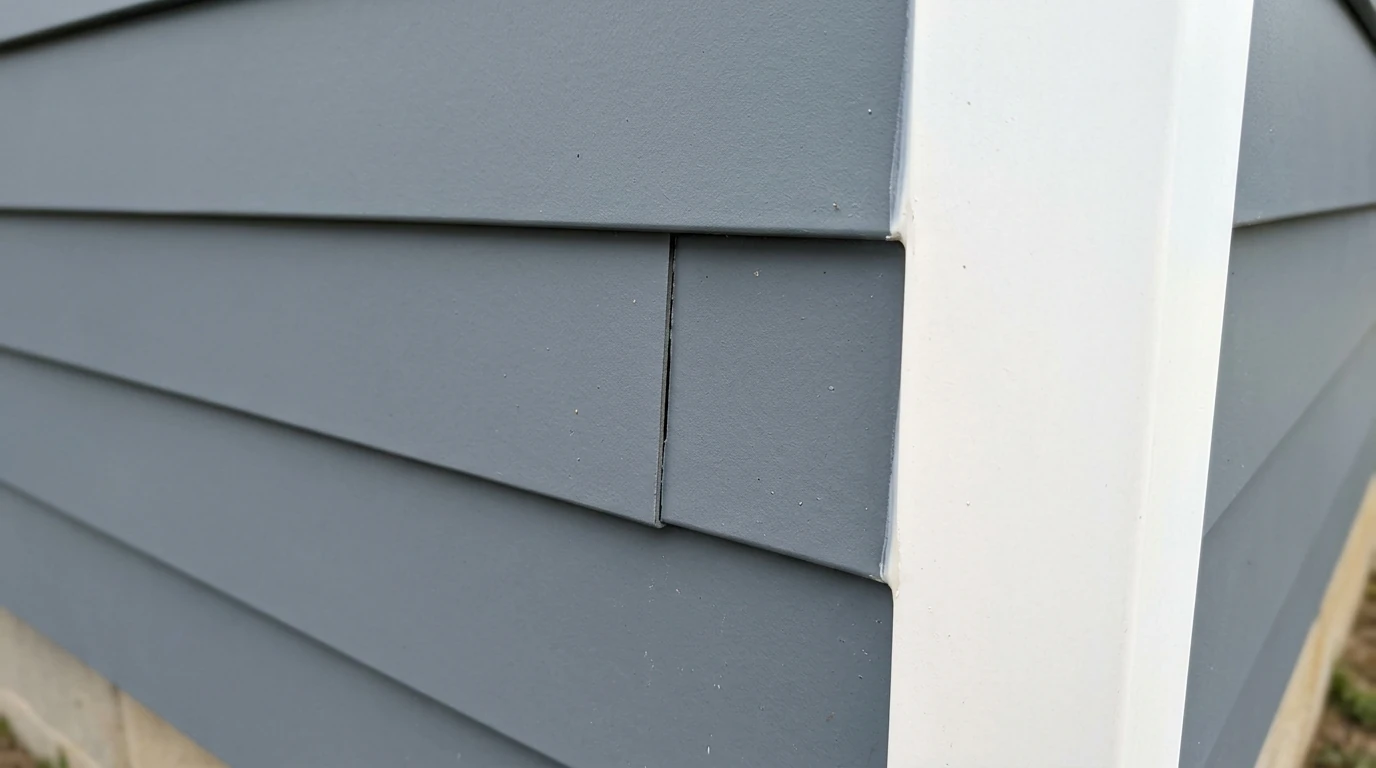
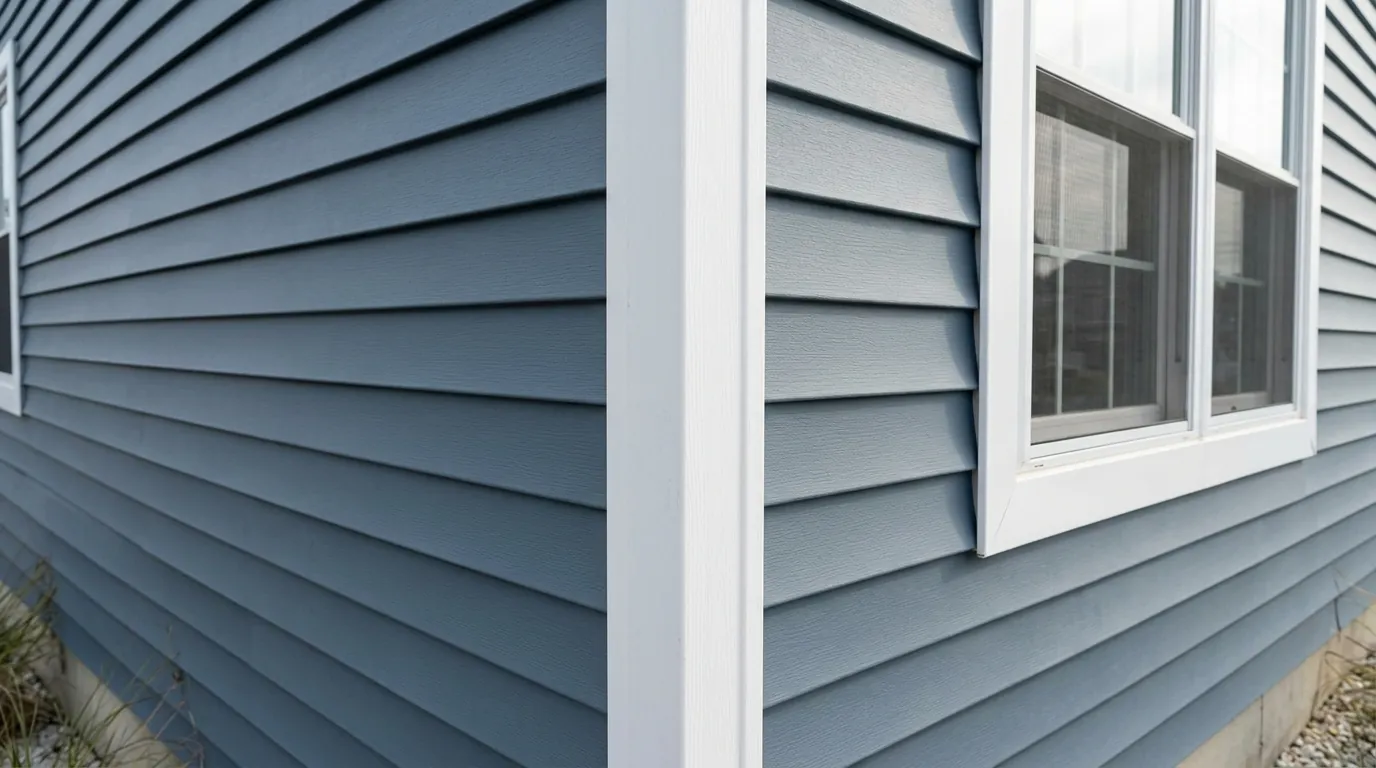
Fiber cement siding
James Hardie style lap siding with a factory finish shrugs off salt, won't warp, and doesn't feed insects. It's heavier and needs careful clearances above decks and grade.
Insulated vinyl siding
A heavier insulated vinyl stands up to wind and needs no painting. We pick profiles with strong nail hems and wind ratings suited to an exposed waterfront wall.
PVC trim and aluminum capping
Cellular PVC corners, fascia and rake boards don't rot when spray hits them, and they hold paint well if you want a color other than white.
What to look at on a Shelter Cove roof after a bay storm
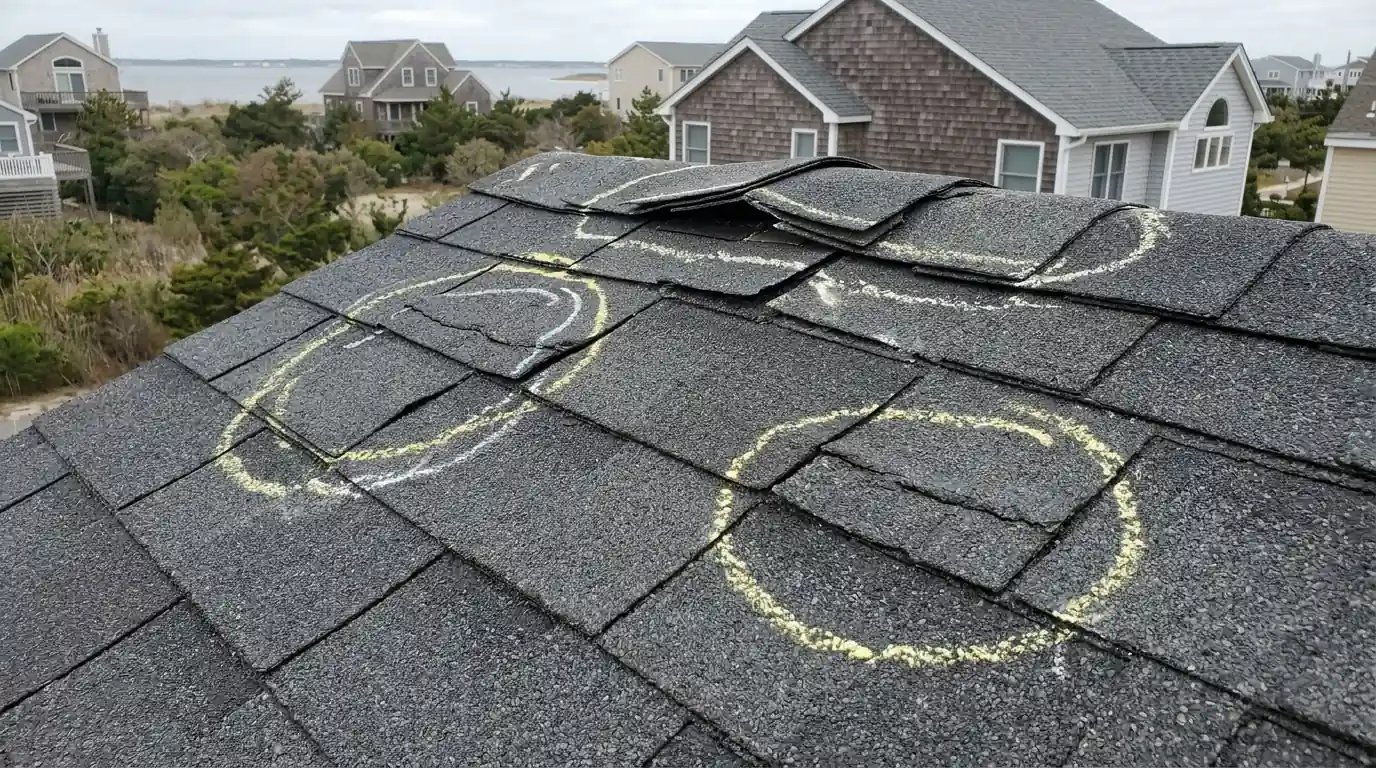
After a nor'easter or tropical storm, walk the property once the wind drops and check these from the ground or a window:
- Shingles or ridge cap lying in the yard or the lagoon
- Metal panels or trim with lifted edges or loose screws
- Gutters pulled down or twisted by wind
- Siding panels missing or hanging loose on the bay-facing wall
- Water lines or debris against the bottom courses of siding
- Fresh ceiling stains or damp smells upstairs
How we work on Shelter Cove homes
Lots here are tight, with docks, boats or pools close to the house, so we plan staging before the crew arrives and send debris straight into a trailer. On a reroof we use stainless or hot-dipped fasteners throughout, ice and water barrier along every eave, and new drip edge and flashing rated for coastal use.
For siding, we start by checking the bottom of each wall, since that's where lagoon water and spray hit hardest. If the sheathing is soft, we fix it before new fiber cement siding or vinyl goes on. Our guide to roofing near salt water explains the material trade-offs in more detail, and homes along the bay in Bay Shore raise many of the same questions.