We serve Bay Shore, the bayfront section reached off Route 37 near the mainland end of the bridges to the barrier island. Storm repair is the biggest part of our work there: blown shingles, torn siding, emergency tarps, then full reroofs and re-sides on older houses. Call (732) 419-1462 day or night.
What happens when you call us during a Bay Shore storm
Roof damage on the bay doesn't wait for business hours. Here's how an emergency call usually unfolds.
You reach a person
Call (732) 419-1462. Someone answers around the clock, asks where water is coming in and helps you protect the room: buckets down, furniture moved, ceiling lights off near the drip.
First few minutesWe wait out the danger
Nobody should climb a wet roof in lightning or gale-force gusts. We dispatch as fast as conditions allow and stay in touch with you until the crew is on the way.
Depends on the stormTarp and dry-in
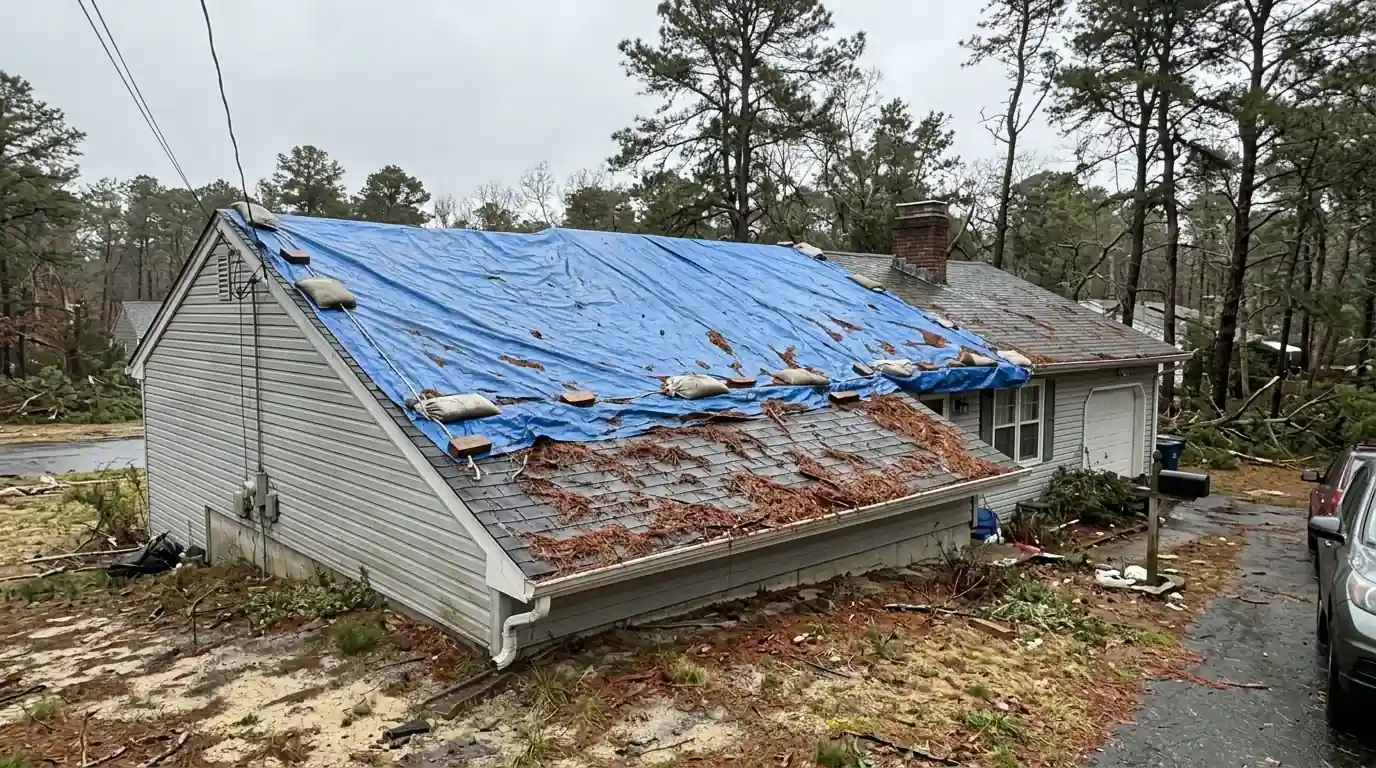
The crew fastens a heavy tarp over the opening with battens outside the damaged area, or dries in a small section with underlayment before the next band of rain.
1 to 2 hours on sitePhotos for your records
We photograph the damage, the tarp and any interior water so you have dated images. Our guide to documenting wind damage covers what else to keep.
Same visitThe permanent repair
Once the weather clears, we return to replace shingles, ridge cap, flashing or siding, or price a replacement if the storm finished off an old roof.
Days after the storm
Bay Shore homes face open water on the east
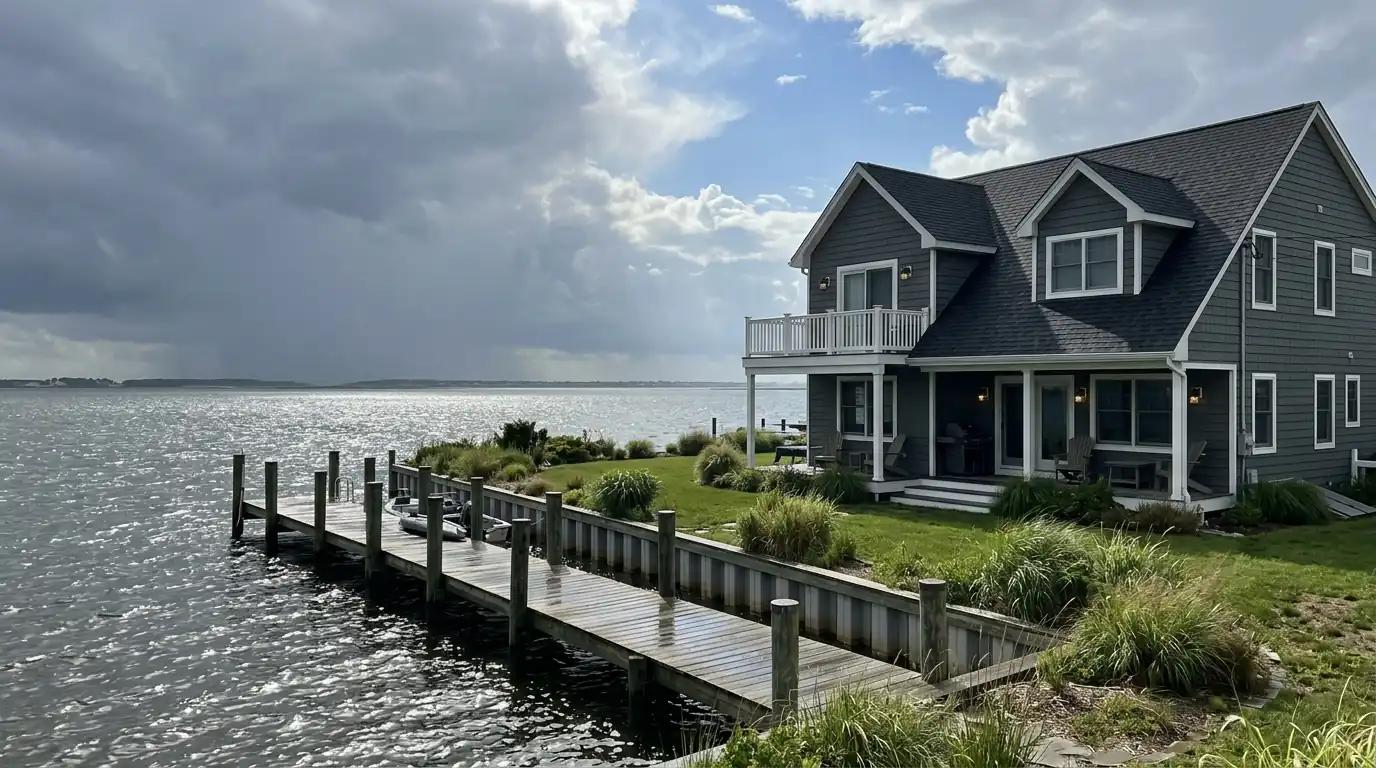
Bay Shore sits on the Toms River mainland where it meets Barnegat Bay, reached from Route 37 near the Thomas A. Mathis and J. Stanley Tunney bridges that carry traffic out to Pelican Island and the barrier island. Many homes on Bay Shore Drive back onto bulkheads and docks. With miles of open water to the east, a northeast wind has nothing to slow it down.
The housing has changed a lot since 2012. Older ranches and capes still stand beside brand-new custom homes built on the same bayfront lots, many sitting higher than their neighbors. An old roof beside a new two-story can now sit in a wind tunnel it never used to face.
Damage we repair after storms on Bay Shore Drive
These are the repairs that fill our schedule in Bay Shore after a big blow.
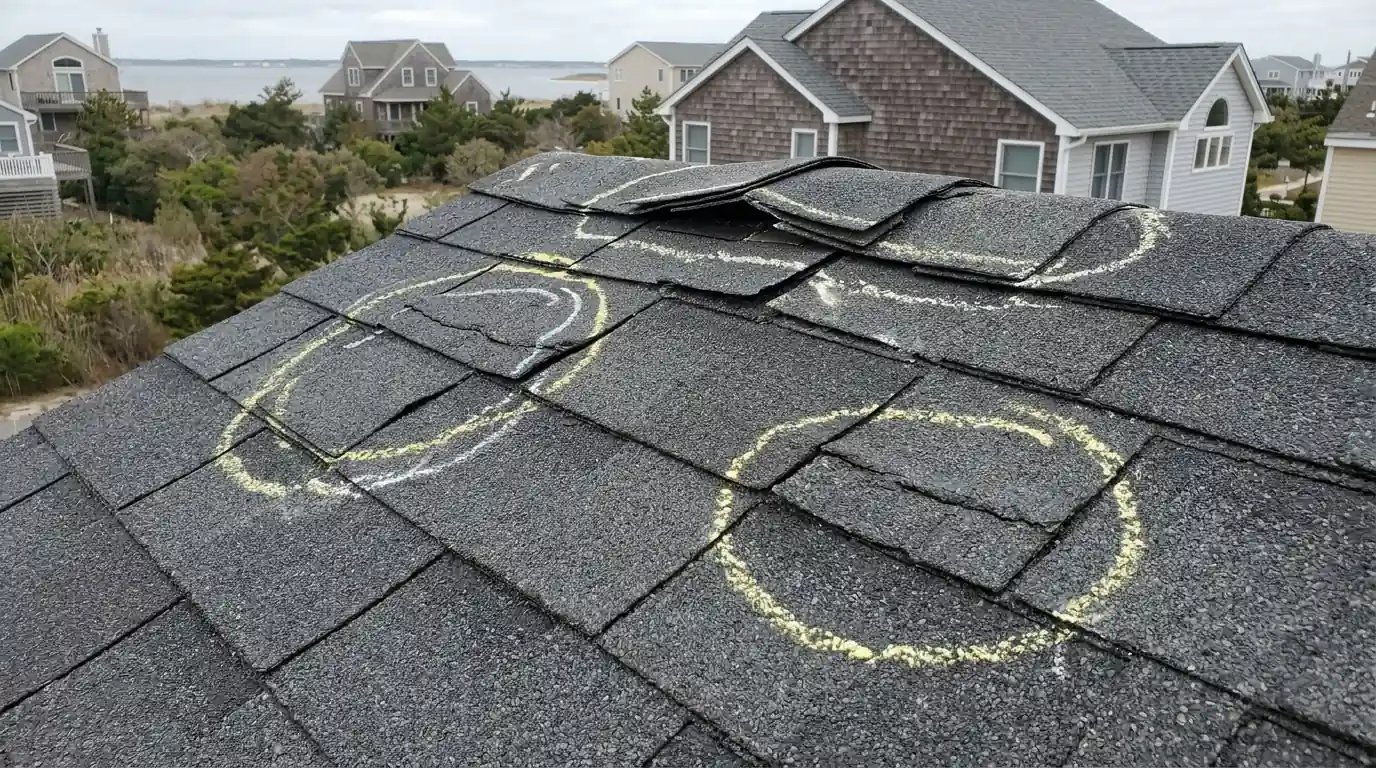
Ridge cap peeled off
The ridge is the highest, most exposed line on the roof, and bay gusts lift caps that have lost their seal. Missing caps let water straight into the ridge vent opening.
Shingles missing at rakes
Gable edges facing the water lose shingles first. We replace them with sealed starter strips and the high-wind nailing called for on storm damage repairs near the bay.
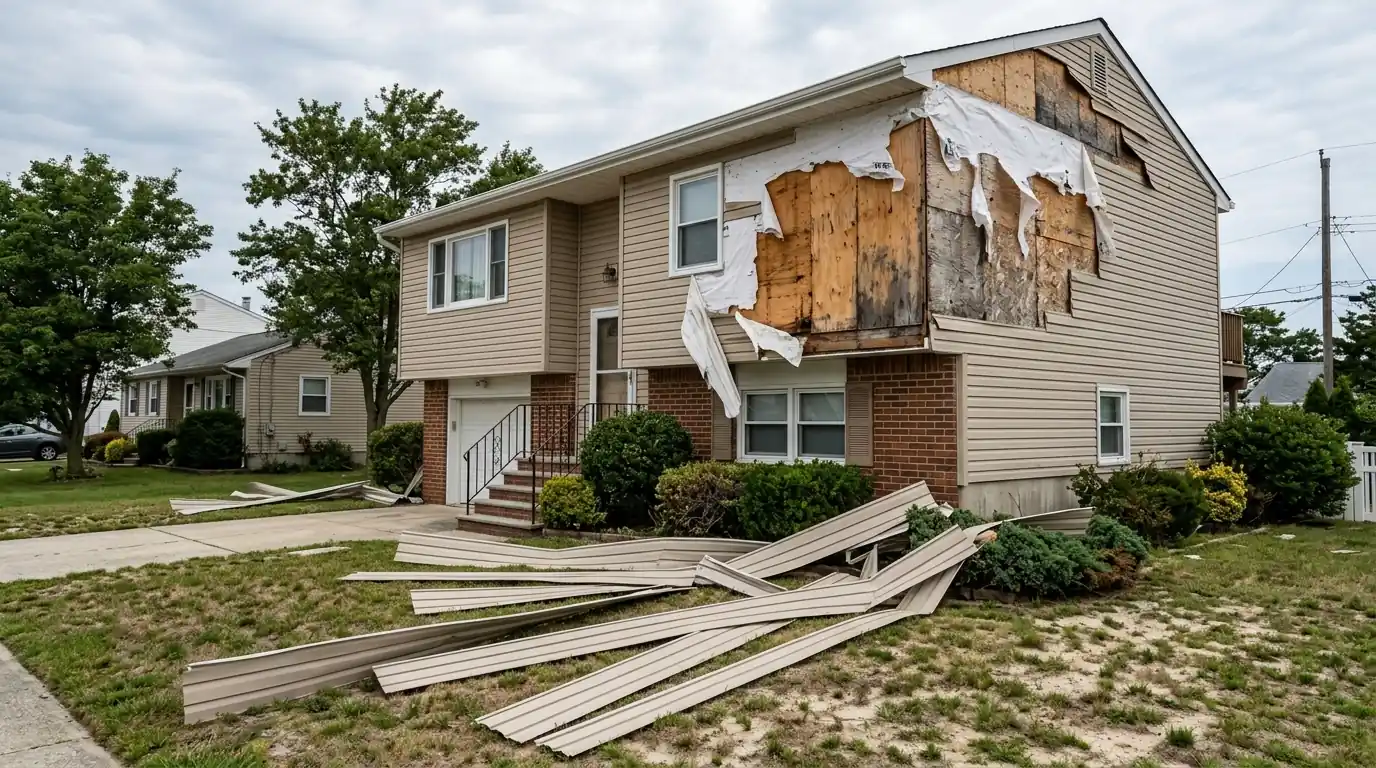
Siding torn from bay walls
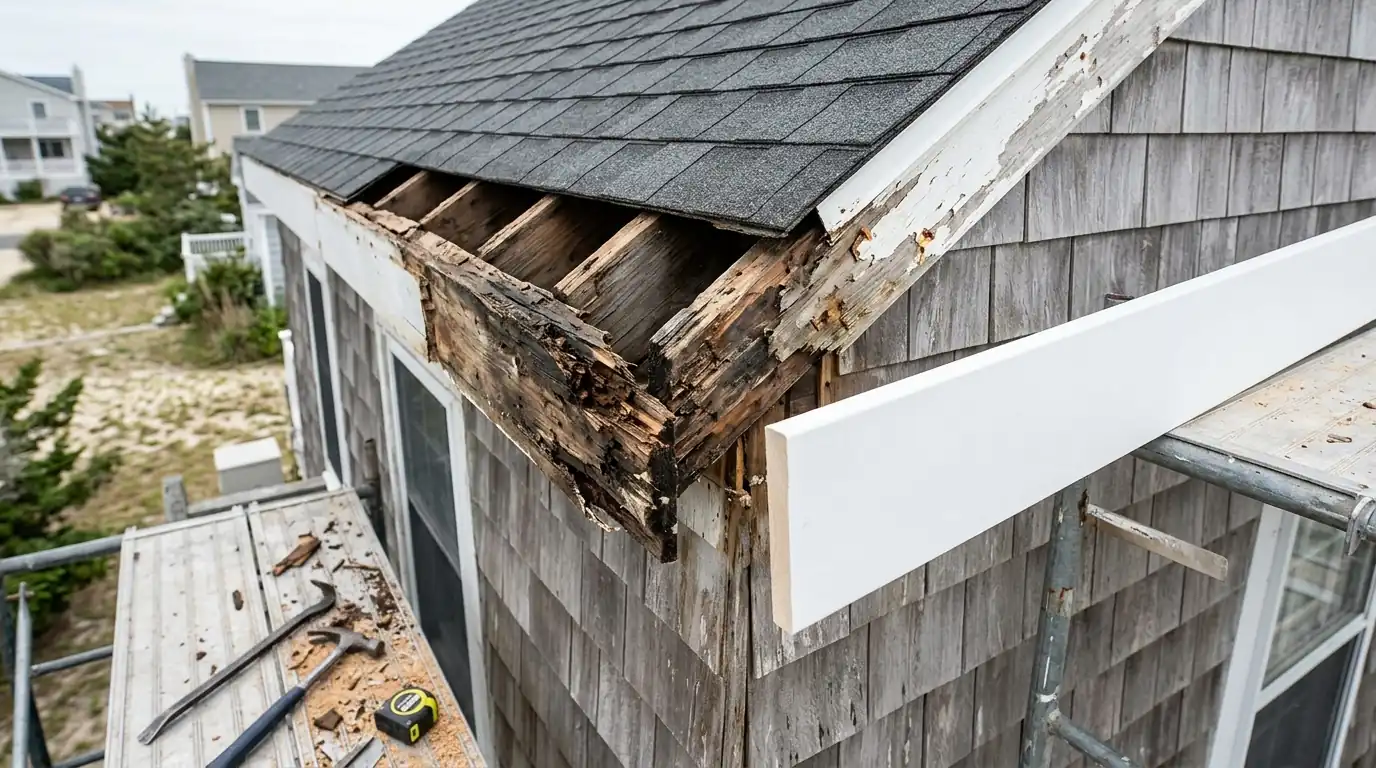
Vinyl on the bay side can be ripped right off its nailing hems. We replace the panels and check that the house wrap and sheathing underneath stayed intact.
Soffit blown into the attic
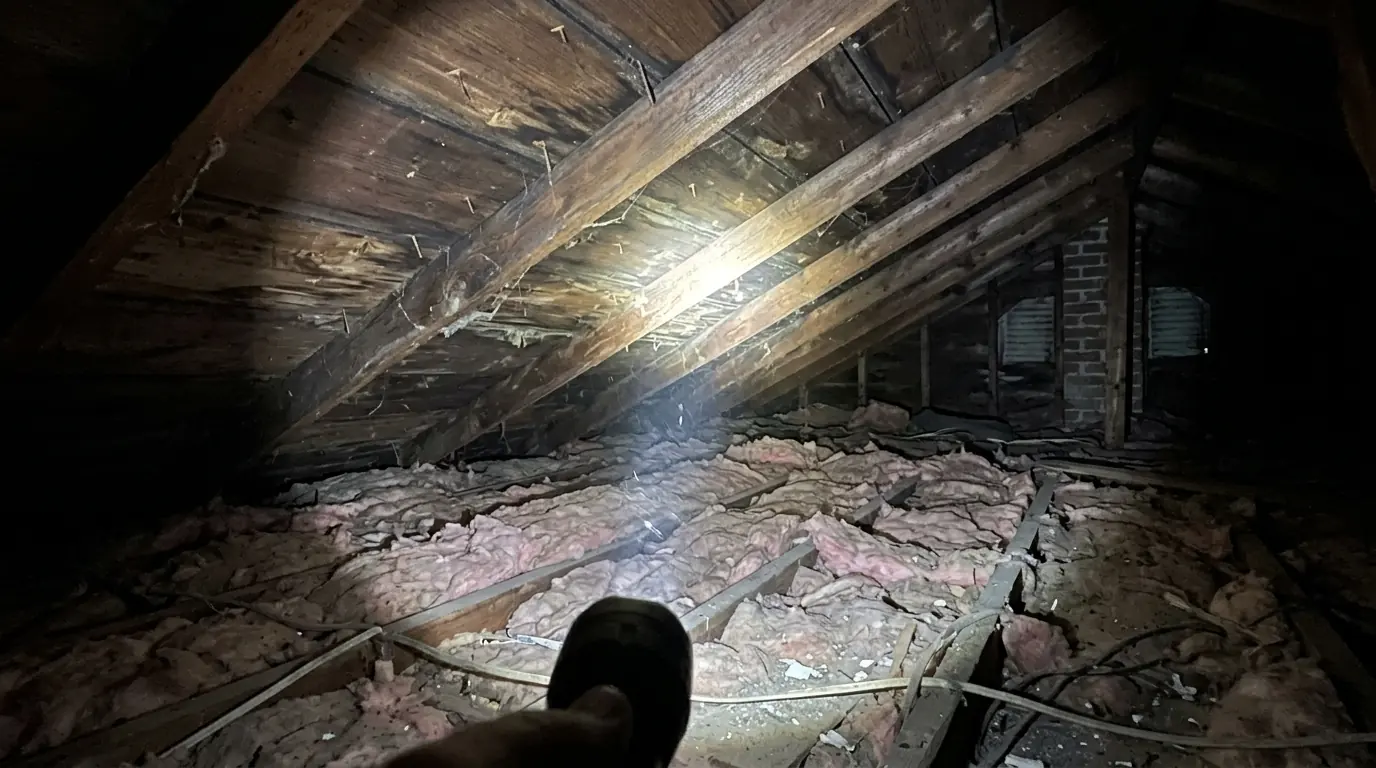
Strong gusts push loose soffit panels inward, letting rain, birds and squirrels into the attic. We reset or replace the panels and secure their edges.
Rebuilding stronger after the storm
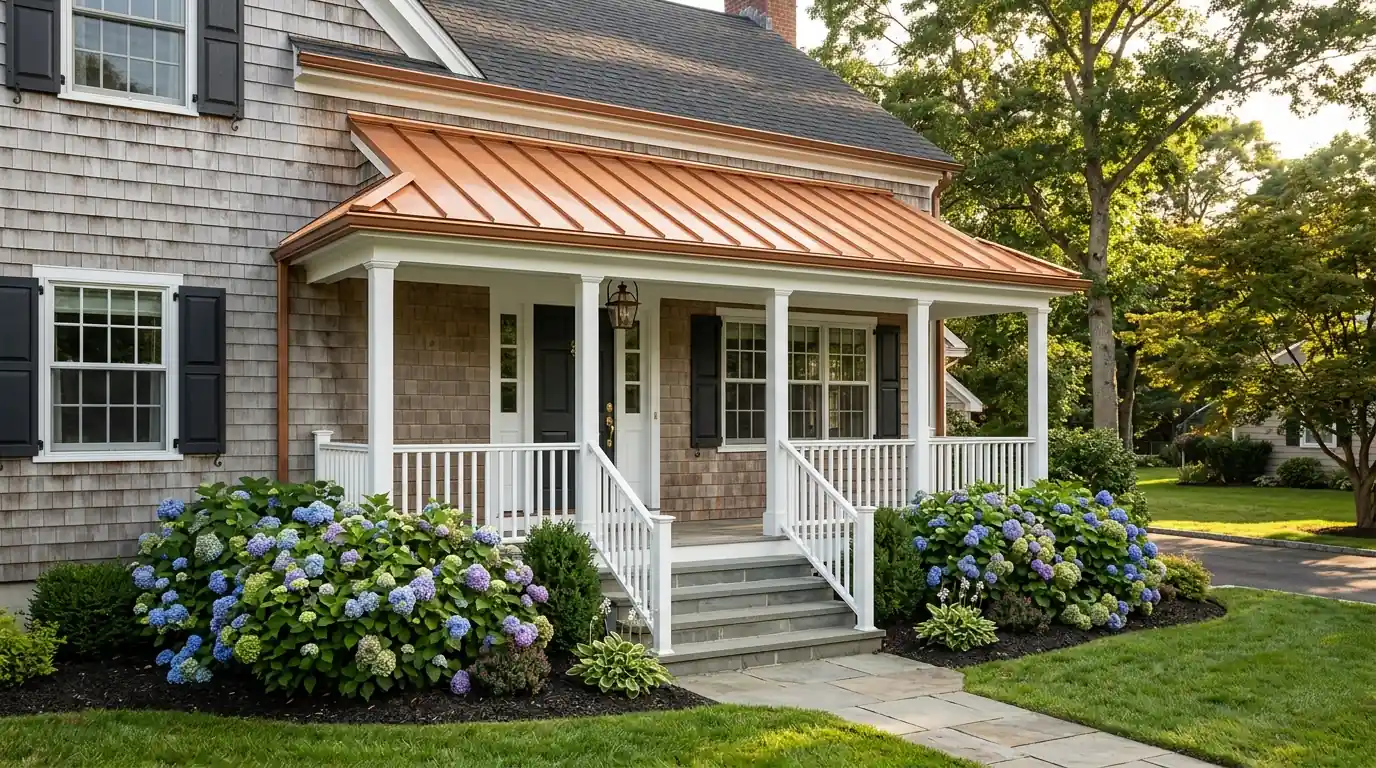
Once the emergency work is done, many Bay Shore owners decide it's time to replace rather than patch. On an older bayfront roof, we often recommend architectural shingles with an enhanced wind rating or a standing seam metal roof, both installed with stainless fasteners and full ice and water barrier along the eaves.
On the walls, insulated vinyl or fiber cement with PVC trim holds up best to the spray these homes take. We pull the township permit when the job requires one and schedule around tides and forecasts. Neighbors around the corner in Shelter Cove face the same bay, so the material choices are similar.