Why your association wants a say in your roof
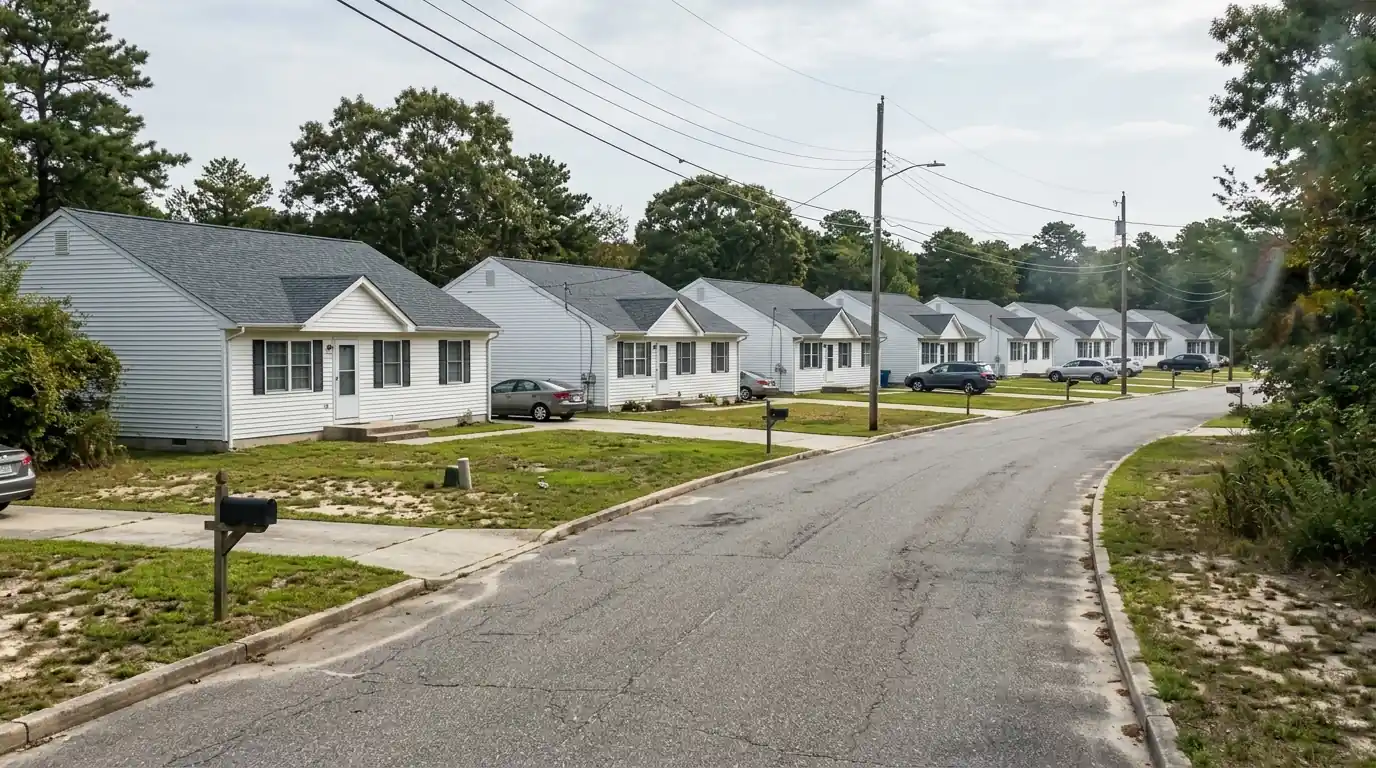
Most 55+ communities were built to look uniform: the same single-story ranch styles, similar roof colors and siding that reads as one neighborhood from the street. The association's governing documents usually protect that look with rules about exterior materials and colors. A roof or siding change is one of the most visible things you can do, so it almost always goes through an architectural review.
Who is responsible for the roof also varies. In some communities the homeowner owns and maintains the roof and siding outright. In others, especially condominium or co-op style setups, the association handles exteriors and schedules work in phases. Read your documents or call the management office before you get estimates, because it changes who signs the contract.
What an approval packet usually includes
Requirements differ from one community to the next, but most review committees ask for some version of the items below. Ask the office for the current application before you gather anything.
- The association's own application or alteration request, signed by the homeowner
- A written description of the work: tear-off, underlayment, shingles, flashing, gutters
- The shingle or siding brand, product line and exact color name
- A manufacturer's brochure page or sample photo showing that color
- The contractor's name, address and phone number for the office's records
- Any other contractor documents the association lists on its application
- Proposed start date and expected length of the job
- Plans for dumpster placement, parking and daily cleanup
Where approvals tend to get held up
Most delays come from a handful of the same small issues. Sorting them out early saves weeks.
A color that isn't on the list
Many communities keep an approved list of shingle and siding colors. If the color you love isn't on it, expect a request for samples, a longer review, or a polite no. Start from the list.
Product lines that changed
Manufacturers update colors over time. A shade approved years ago may now be discontinued or renamed, so the committee may need to approve the closest current version from GAF, CertainTeed or Owens Corning.
Missing contractor documents
Committees often won't review a packet until every required document is attached. One missing page can push your application to the next monthly meeting, so check the list twice.
Meeting schedules
Some review committees meet monthly and pause over summer or holidays. Submitting a week after a meeting can mean a five-week wait, so ask for the calendar first.
Gutter and trim changes
Swapping white gutters for brown, or capping trim in a new color, may need its own line on the application even though it seems minor.
A realistic timeline from first call to finished roof
These ranges are typical for single-story homes in Ocean County communities. Your association's calendar is the biggest variable.
| Step | Who does it | Typical time |
|---|---|---|
| Roof or siding inspection and written estimate | Homeowner and roofer | About 1 week |
| Gather product info and fill in the application | Homeowner, with our product details | A few days |
| Architectural committee review | Association | 2 to 6 weeks, depending on meetings |
| Scheduling and township permit when the job requires one | Roofer | 1 to 3 weeks |
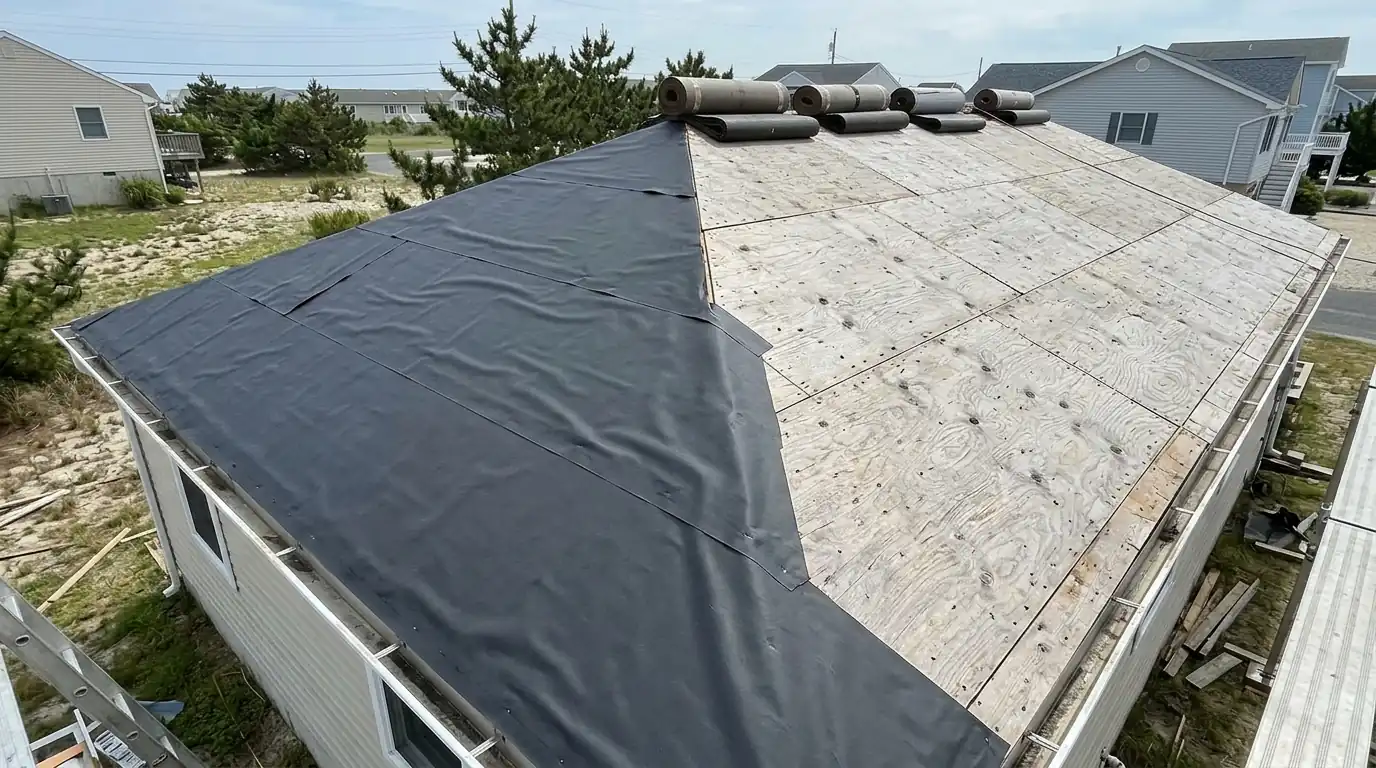
| Tear-off and new roof on a typical ranch | Our roofers | 1 to 2 days |
| Final cleanup and any sign-off the association asks for | Roofer and homeowner | Same day to 1 week |
Keeping the work quiet, tidy and neighbor-friendly
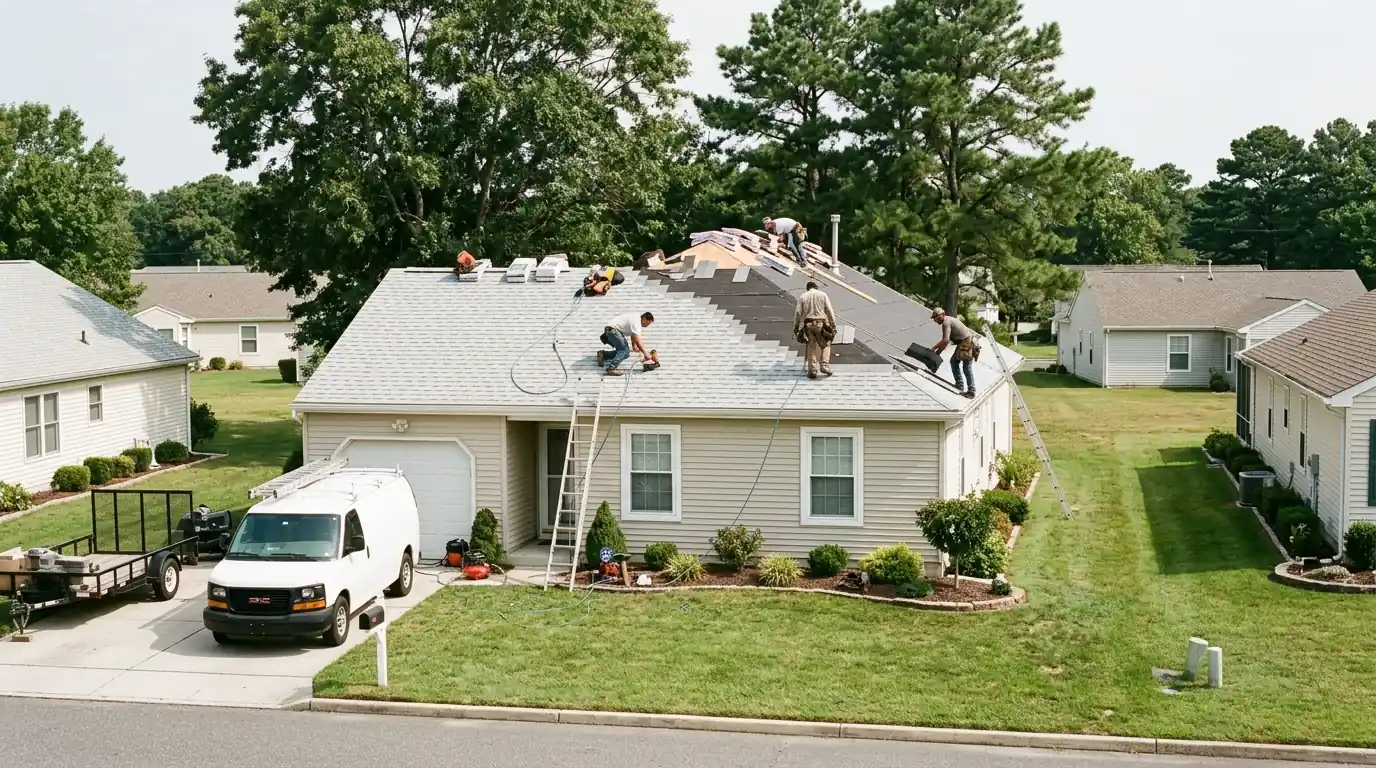
Homes in active-adult communities sit close together, many neighbors are home during the day, and streets are often narrow. We plan for that. The dumpster goes where the office says it can, trucks park so walkways and driveways stay open, and nails get swept with a magnet across lawns, beds and the street at the end of every day. We also start at a reasonable hour rather than at first light.
It helps to let the neighbors on both sides know your dates. A short note or a quick knock lets them move cars, bring in patio furniture and keep pets inside during tear-off. If someone next door has a medical need or a home aide arriving, tell us before the job, and we'll work around it as best we can.
Single-story ranch roofs and what they usually need
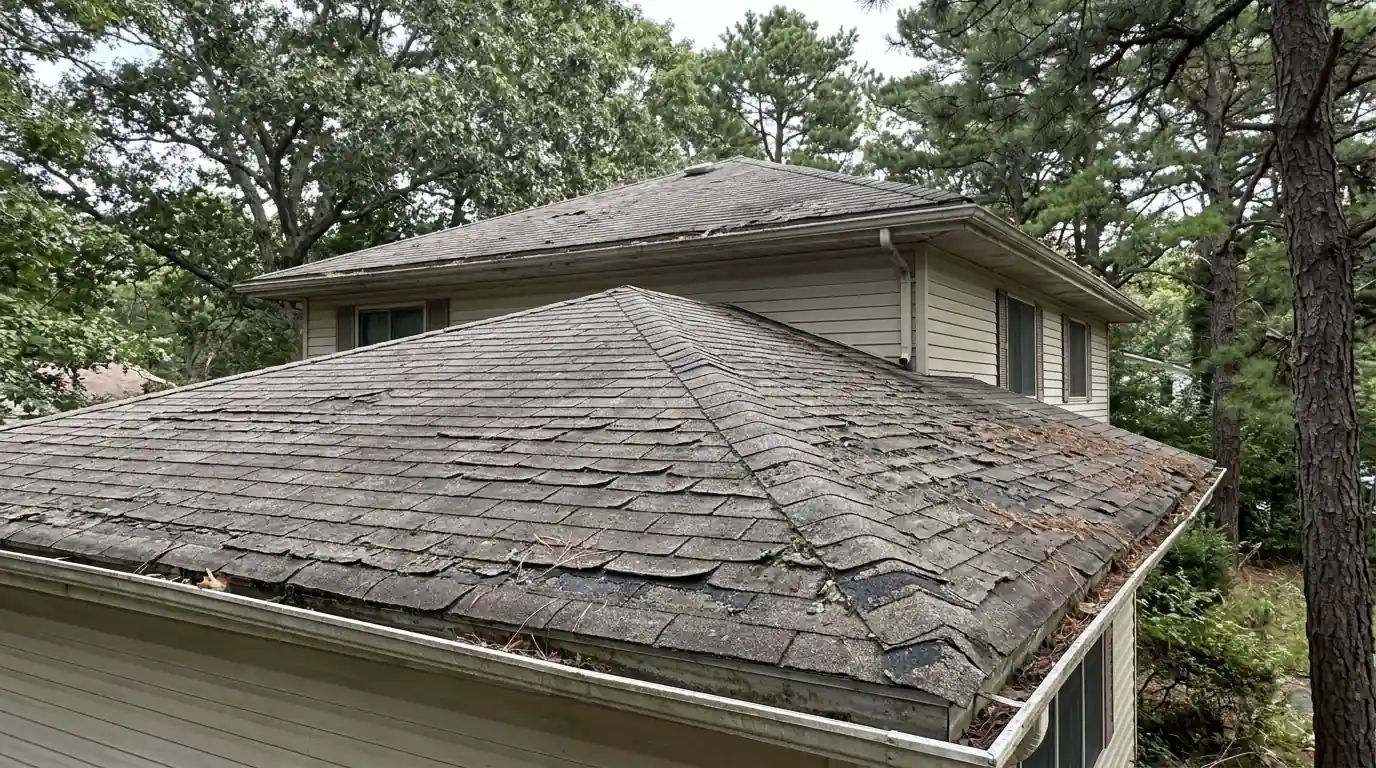
Many 55+ homes in Ocean County are single-story ranches built from the 1970s through the 2000s, often with low-slope roofs, attached garages and small porch roofs. Those shallow pitches and long eaves are where we look closely during an inspection: worn shingles at the eaves, tired pipe boots, and attic ventilation that was minimal when the houses were built.
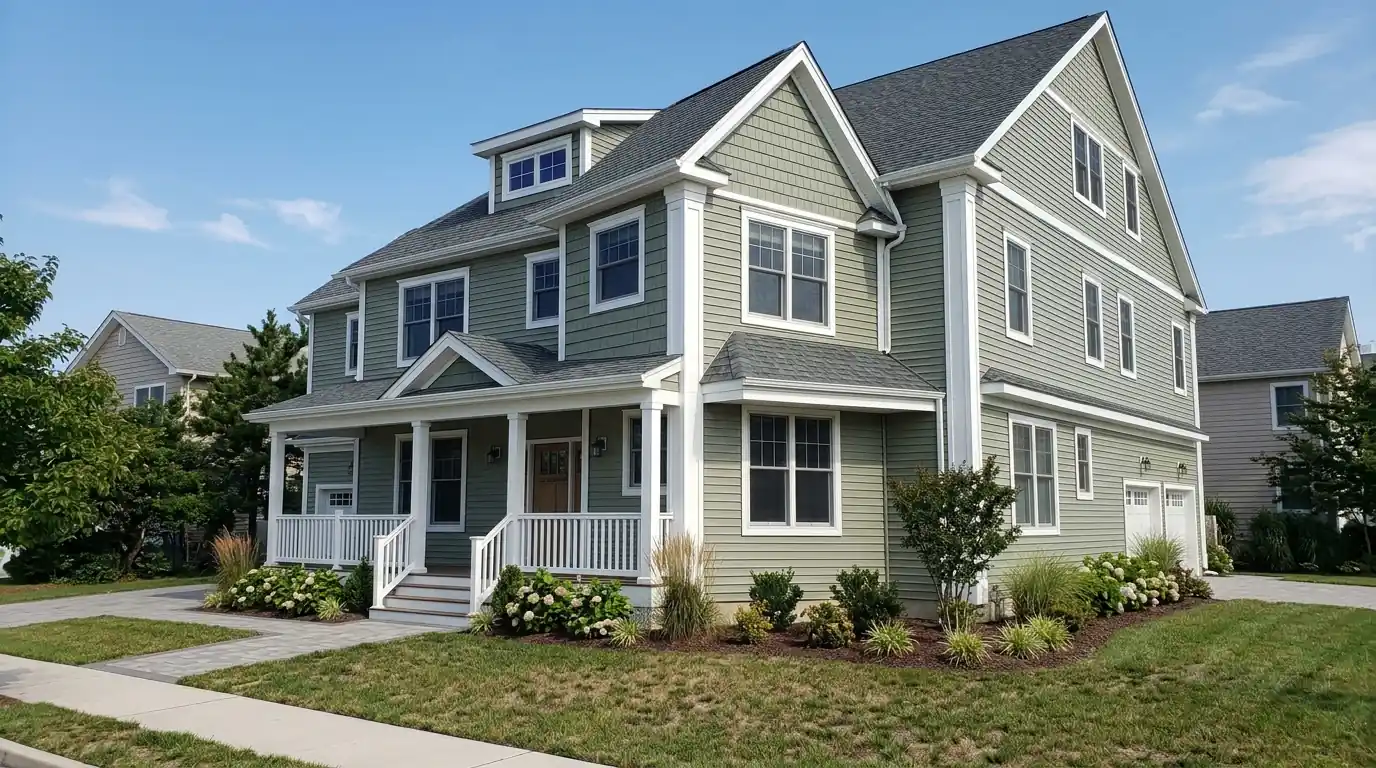
A new roof is a good time to fix ventilation, since a balanced ridge and soffit setup keeps the attic cooler in summer and drier in winter. If the siding is aging too, doing both in one approval saves you a second round of paperwork. Our 55+ community and HOA roofing work is built around this kind of house, and our vinyl siding installation covers the profiles and colors most associations already allow.
If the association handles exteriors for the whole community
When the association, not the homeowner, owns the roofs, the board or the management company typically picks the contractor and schedules buildings in phases. If that's your situation, the best thing you can do is report leaks and damage to the office in writing as soon as you see them. If you sit on a board planning a phased program, we're happy to walk the community, look at the roofs and talk through a schedule. Call (732) 419-1462.
Getting started with your own home
If you own your roof and siding, start with the office: ask for the application, the approved color list and the meeting calendar. Then have the roof looked at so you know what needs doing and what it will cost. Our post on repairing or replacing an aging roof can help you decide which way to go. We work in communities across Manchester and the rest of the county, and we'll put product names, colors and scope in writing so the packet is ready to hand in.
Reader questions
Can I start a roof replacement in my 55+ community before the HOA approves it?
It's best not to. Most associations require approval before exterior work begins, and starting early can bring fines, a stop-work request or being told to change the color afterward. Emergency work is usually treated differently: if a storm opens up your roof, a temporary tarp to stop leaks is normally fine. Let the office know right away, then submit the application for the permanent roof.
What happens if my community's approved shingle color has been discontinued?
Ask the management office how the committee handles it. Usually they approve the closest current color from the same manufacturer or a similar line from another maker. We can bring physical samples and the manufacturer's color sheets so the committee can compare them side by side with an existing roof. Getting this settled early keeps the application from bouncing back.
Do 55+ communities usually require the whole street to have the same siding profile?
Many do, or at least require a profile and color from an approved list. Some communities allow a small number of choices so the street stays consistent without being identical. Your governing documents or the architectural guidelines will say which profiles and colors are allowed. Bring that list to your estimate, and we'll price only what fits it.